Hygiene, Diagnostic & Sterilisation
Scalers & Curettes
Hand hygiene instruments for calculus removal and root planing, in stainless and coated finishes. MOQ: 50 units / SKU.
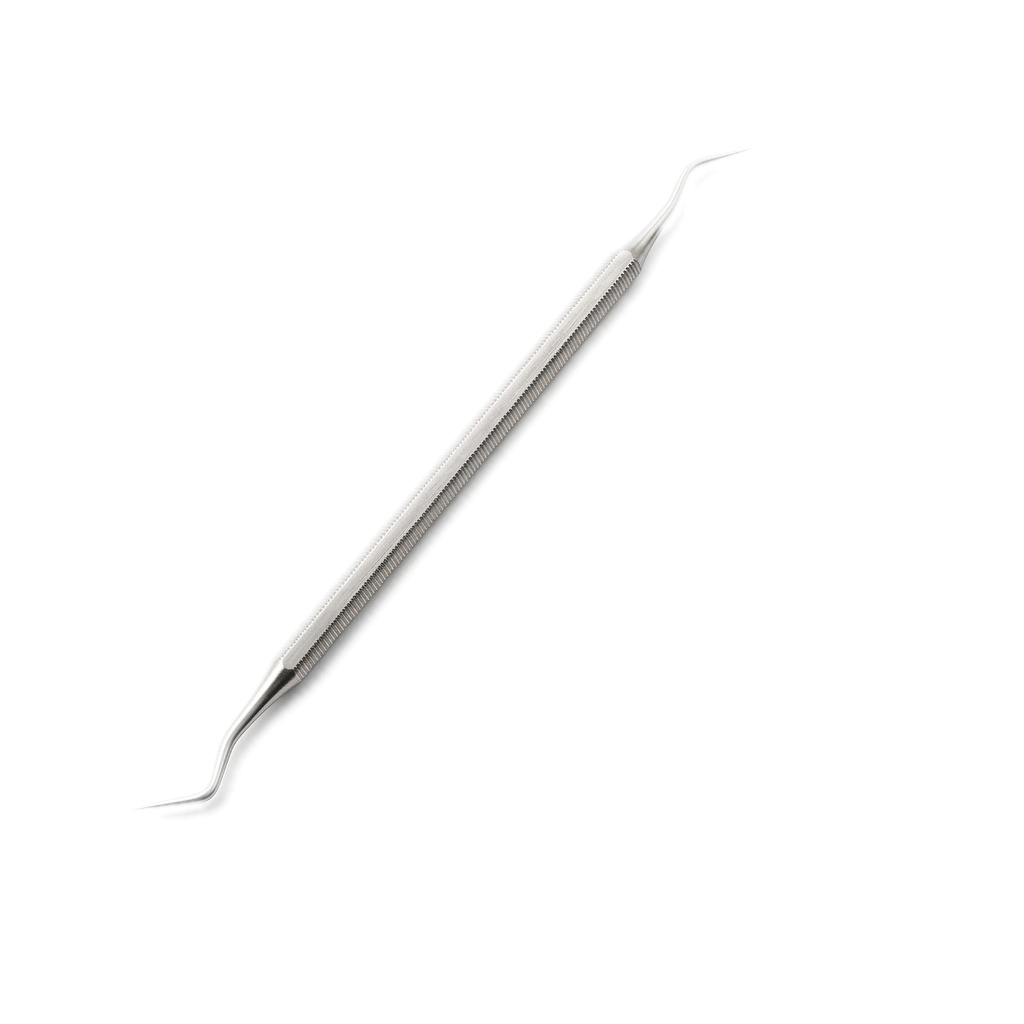
Sickle Scaler H6/H7 (Jacquette)
SKU: DSS-405A double-ended sickle scaler for removing calculus and plaque from above the gumline. Each end carries a triangular blade in cross-section with two sharp cutting edges meeting at a pointed tip, so deposits can be engaged from either side of a tooth. The H6/H7 combination is a hygiene staple for anterior and posterior supragingival scaling alike. Made from high-strength steel at 170 mm, it holds its edge well and autoclaves at 134°C.
DSS-405 | 170 mm | High-strength steel | Sterilisation: Steam autoclave 134°C
Variants: Variants & sub-products: Gracey Curette Patterns (area-specific) — Curettes shaped for specific tooth areas — 1/2 for anteriors, 7/8 for premolars and molars, 11/12 for mesial surfaces and 13/14 for distal surfaces — with a single cutting edge and a rounded toe for subgingival work. · Universal Curette Pattern (Columbia type) — A curette with two cutting edges and a rounded toe that can be used on any tooth surface, simplifying the hygiene setup. · Sickle Scaler U15/30 Pattern — An alternative sickle combination with a different blade curvature, chosen for posterior interproximal deposits.
Range 2 — Hygiene, Diagnostic & Sterilisation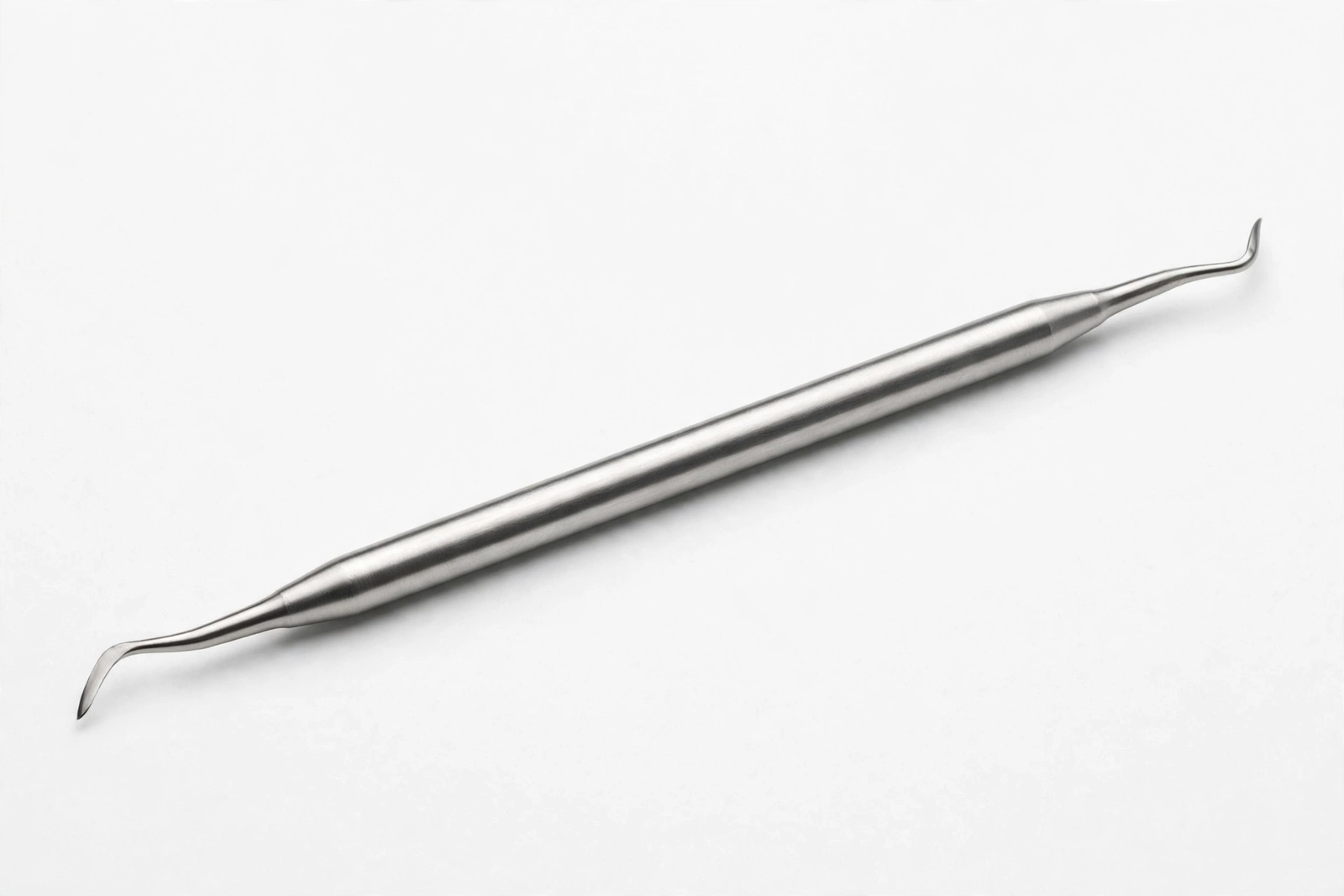
Gracey Curettes 1/2 – 13/14
Medentra Global rangeArea-specific curettes in the full Gracey sequence, from 1/2 for anteriors through 13/14 for posterior distals, each with a single offset cutting edge set at the angle its tooth area needs. That offset blade is what lets the operator plane root surfaces below the gumline with the edge presented correctly and the toe kept safe against the pocket wall. Handles are balanced for the light, controlled pull strokes that subgingival work demands, and the series is supplied singly or as a working sequence.
420/440 stainless steel · satin passivated finish, cutting edges precision-ground · autoclavable to 134°C · MOQ 50 units/SKU.
Range 2 — Hygiene, Diagnostic & Sterilisation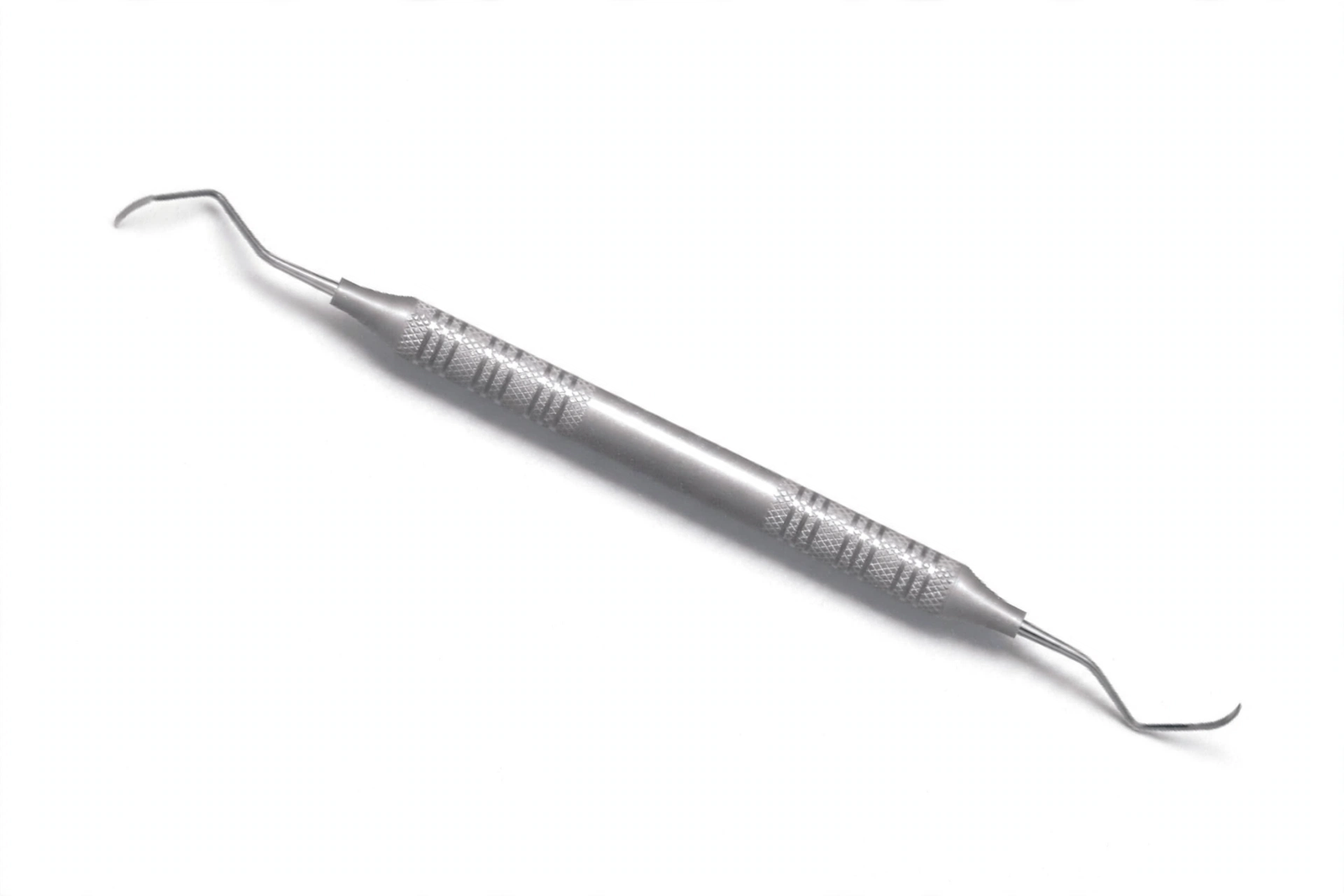
Universal (Columbia) Curettes
Medentra Global rangeDouble-ended universal curettes whose blade carries two cutting edges at a neutral angle, so the same end can be worked on mesial and distal surfaces without changing instruments. They are the general-purpose choice for moderate subgingival scaling and root planing across the whole mouth. Columbia patterns are supplied in the common working sizes so a hygiene kit can standardise on one familiar shape.
420/440 stainless steel · satin passivated finish, cutting edges precision-ground · autoclavable to 134°C · MOQ 50 units/SKU.
Range 2 — Hygiene, Diagnostic & Sterilisation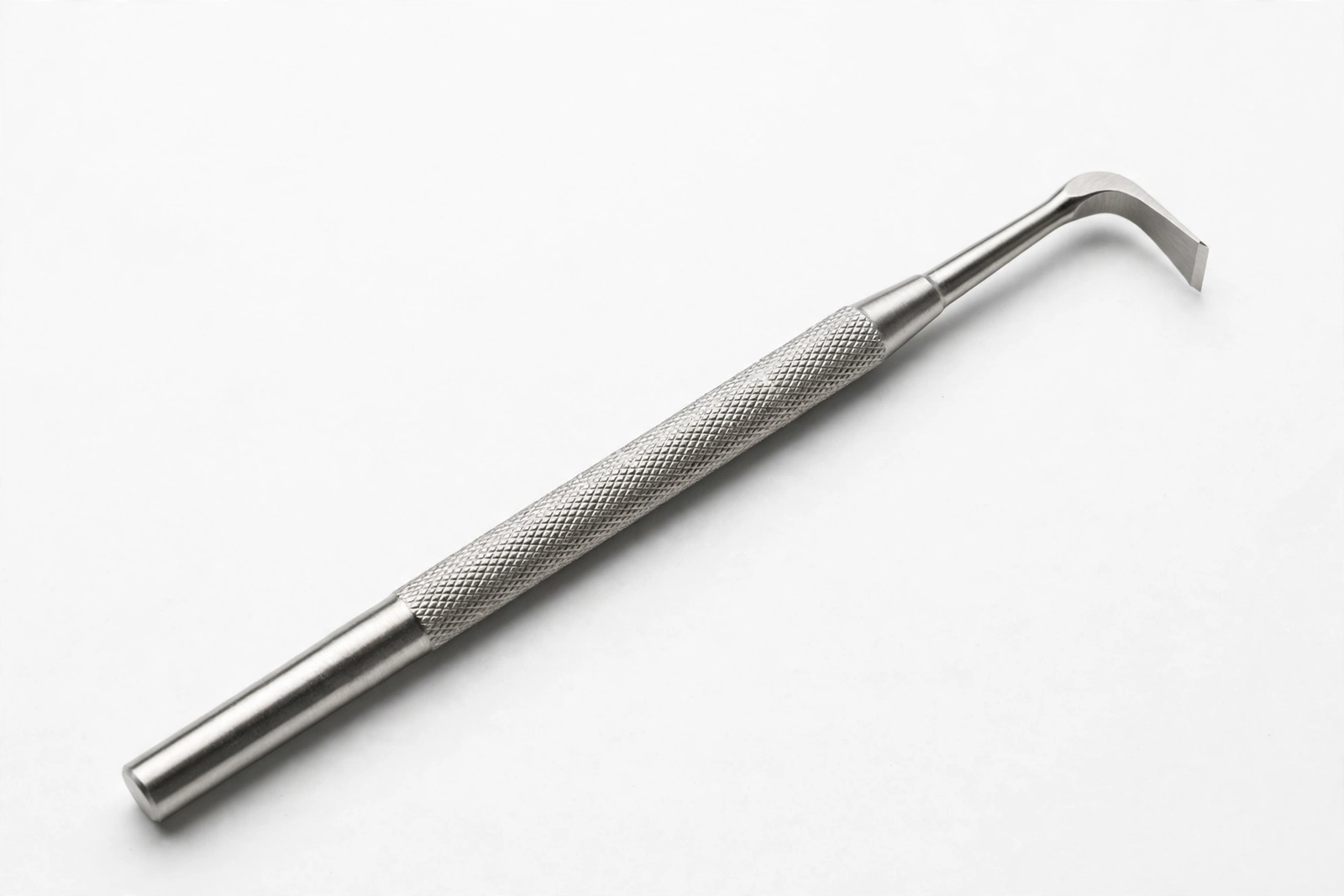
Hoe & Chisel Scalers
Medentra Global rangePush-action hand scalers for shifting heavy, tenacious ledges of calculus, particularly on the lingual of lower anteriors where rotary instruments are awkward. The hoe form pulls a ledge away in a controlled flake while the chisel form works with a straight push, and both keep a stout shank that will not flex under that heavier hand pressure.
420/440 stainless steel · satin passivated finish · autoclavable to 134°C · MOQ 50 units/SKU.
Range 2 — Hygiene, Diagnostic & Sterilisation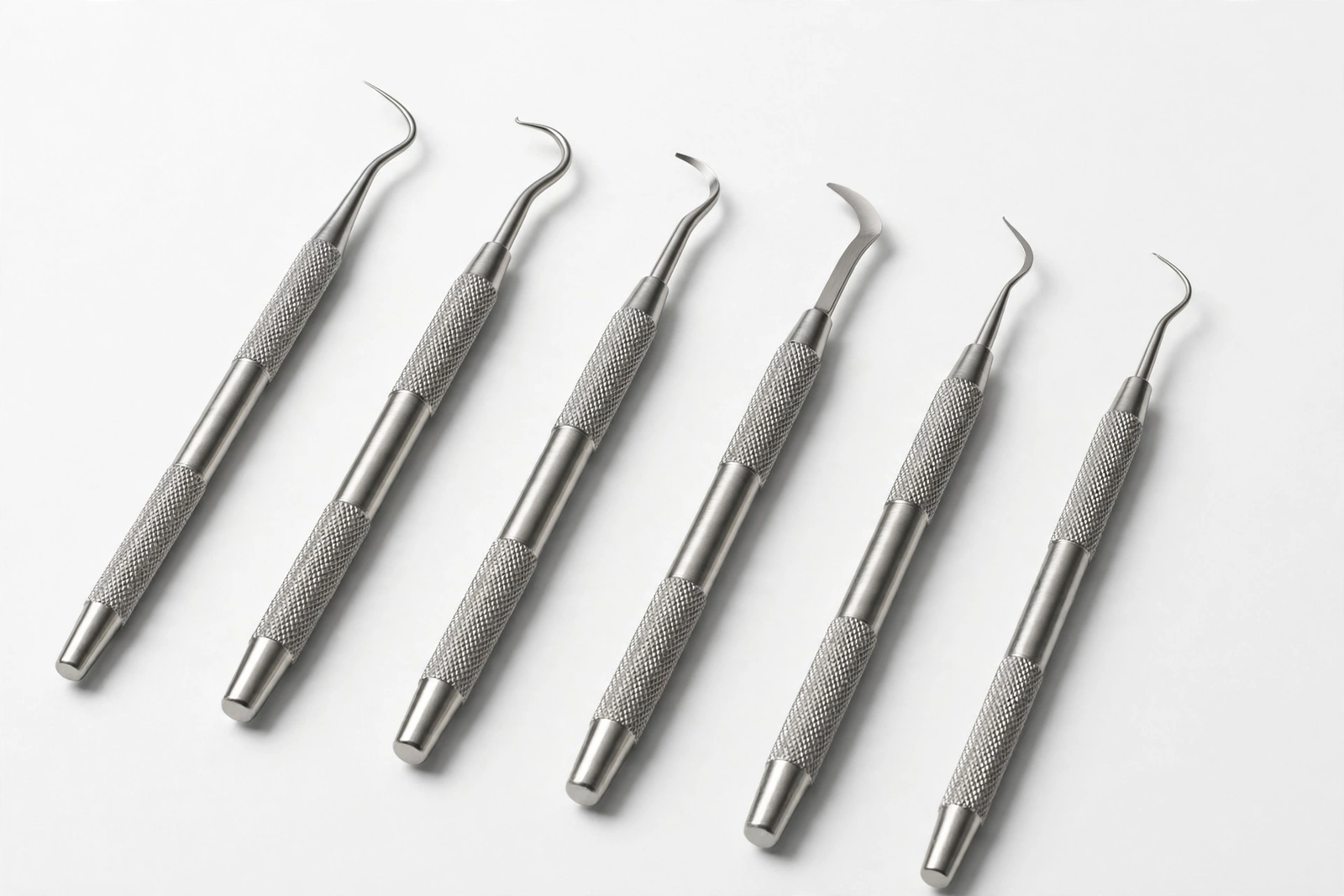
Scaler & Curette Sets
Medentra Global rangeA ready-balanced hygiene set combining the most-used sickle scalers with universal and Gracey-pattern curettes, chosen so a hygienist can open one set and cover a full prophylaxis appointment. The set is assembled from Medentra Global's standard individual patterns and inspected as a group, so handle style and finish are uniform across the tray.
420/440 stainless steel · satin passivated finish · autoclavable to 134°C · MOQ 50 units/SKU (per set configuration).
Range 2 — Hygiene, Diagnostic & SterilisationExplorers & Probes
Diagnostic hand instruments for examination, caries detection and periodontal measurement. MOQ: 50 units / SKU.
Periodontal Probe, Williams Scale
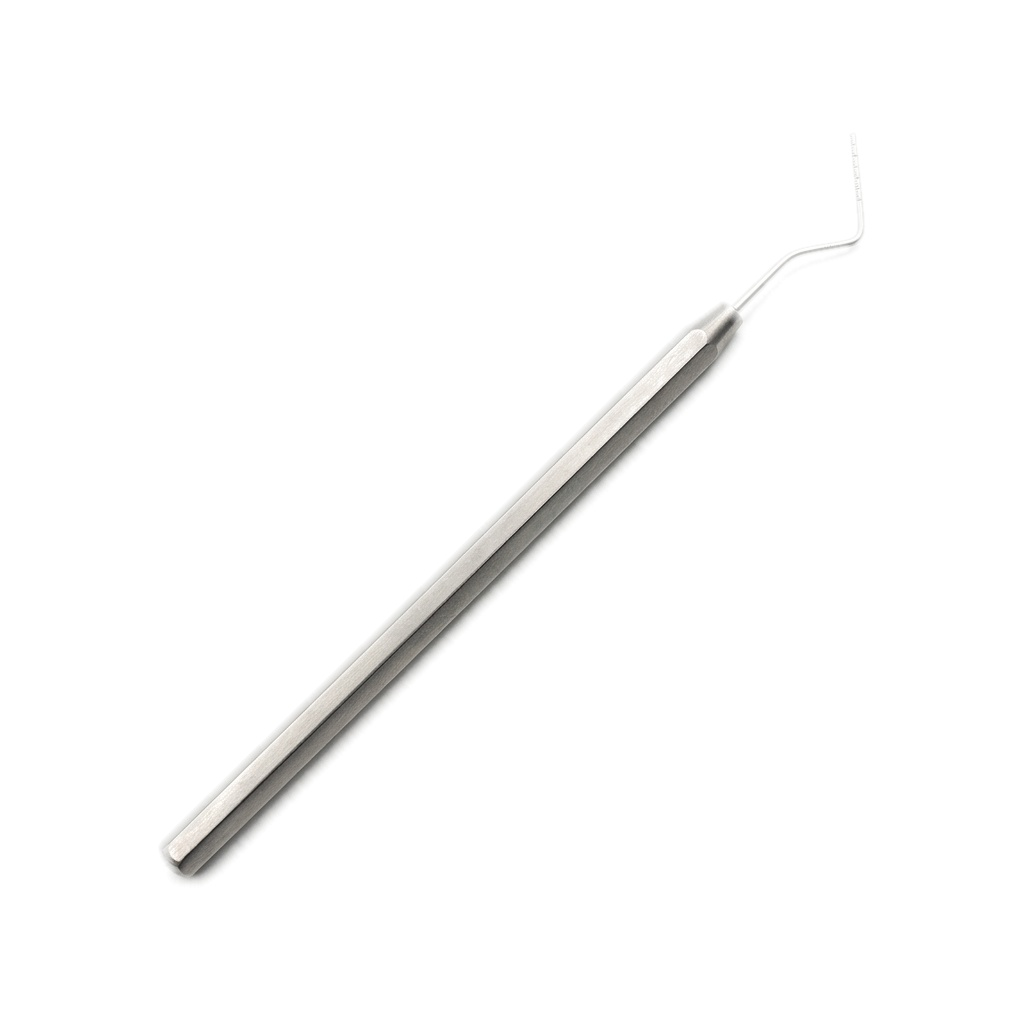
SKU: DPP-401A single-ended periodontal probe carrying the well-known Williams markings — bands at 1, 2, 3, 5, 7, 8, 9 and 10 mm, with 4 and 6 deliberately omitted so readings are harder to misjudge. The slim, blunt tip slides into the pocket without damaging tissue, giving repeatable pocket-depth and attachment-level measurements. An octagonal handle stops the instrument rolling on the bracket table and keeps the markings oriented. It is 155 mm long, made from martensitic steel, and autoclavable at 134°C.
DPP-401 | 155 mm | Martensitic steel | Sterilisation: Steam autoclave 134°C
Variants: Variants & sub-products: WHO / CPITN Probe Pattern — A ball-ended tip with a black band, designed for screening surveys and bleeding checks rather than full charting. · UNC-15 Probe Pattern — Millimetre markings running the full 15 mm, preferred for detailed periodontal charting and research records. · Michigan-O Probe Pattern — A slender probe often combined with Williams-style markings, used for routine pocket measurement.
Range 2 — Hygiene, Diagnostic & Sterilisation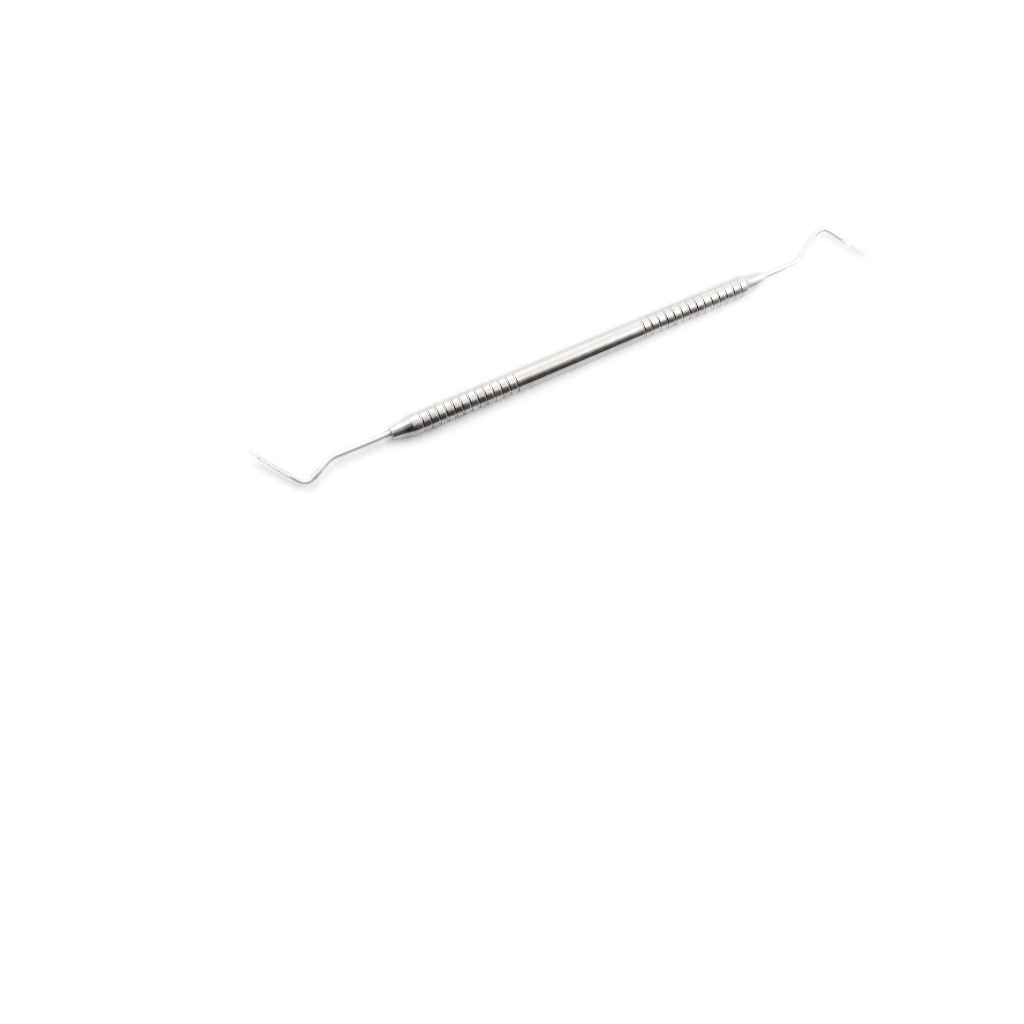
Periodontal Probe & Explorer, Double-Ended
SKU: DPP-402A two-in-one diagnostic instrument that pairs a calibrated periodontal probe on one end with a sharp explorer on the other. Having both tools on a single 165 mm handle speeds up screening appointments — pocket depths can be checked and surfaces explored without swapping instruments. The probe shanks carry millimetre markings for full-mouth pocket screening and furcation checks. Made from high-grade surgical steel, it is fully autoclavable at 134°C.
DPP-402 | 165 mm | High-grade surgical steel | Sterilisation: Steam autoclave 134°C
Range 2 — Hygiene, Diagnostic & Sterilisation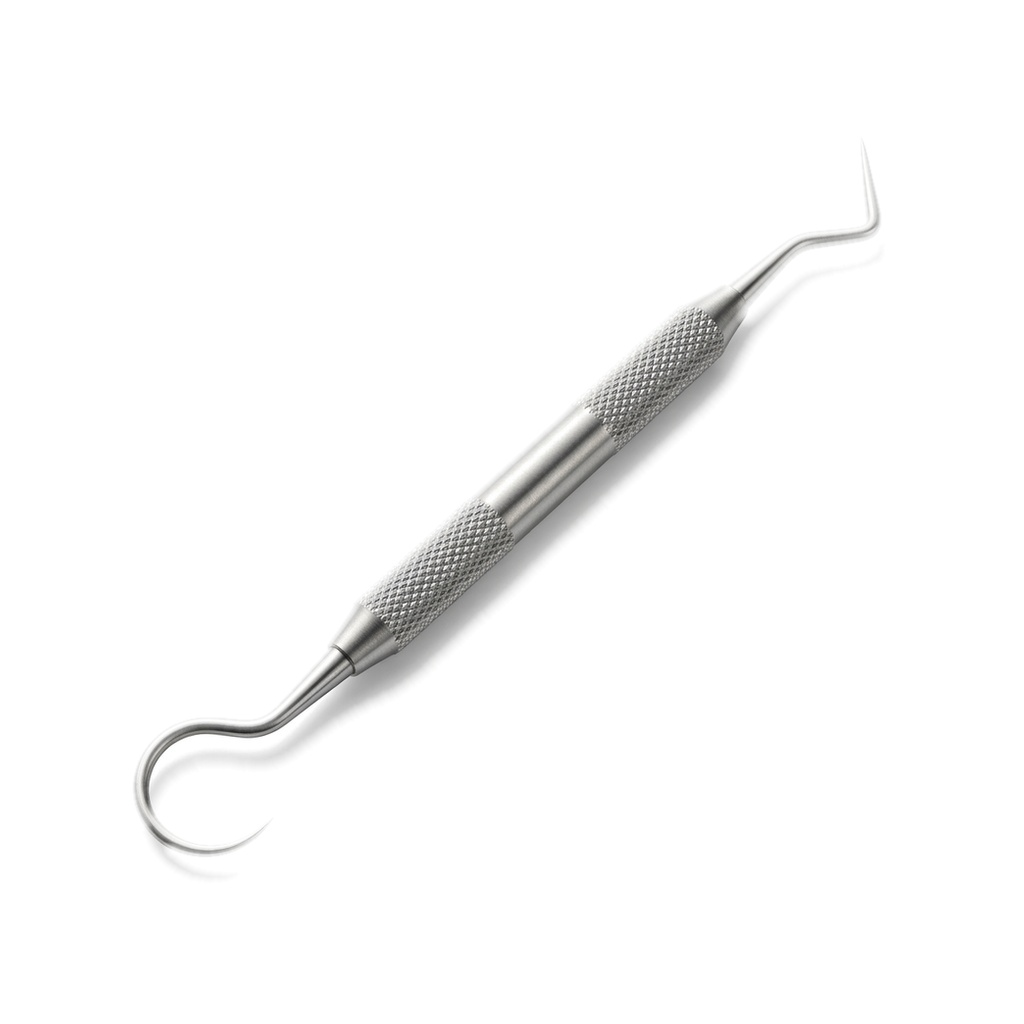
Dental Explorer #23 Shepherd's Hook / #17, Double-Ended
SKU: DEX-023The reference diagnostic explorer: a curved shepherd's hook #23 tip on one end for feeling caries, margins and calculus, and a contra-angled #17 tip on the other for interproximal and subgingival exploration. The fine, resilient points transmit surface detail to the fingertips, which is what makes an explorer the dentist's sense of touch. Tempered surgical steel keeps the tips from bending out of shape. At 165 mm it balances well and autoclaves at 134°C.
DEX-023 | 165 mm | Tempered surgical steel | Sterilisation: Steam autoclave 134°C
Variants: Variants & sub-products: Explorer #5 Pattern, Double-Ended — Two fine, angled tips in a slimmer profile, popular for detailed margin and restoration checking. · Pigtail Explorer Pattern — A tightly curved tip that reaches into interproximal areas and around orthodontic appliances. · 11/12 Periodontal Explorer Pattern — A longer, more deeply angled tip designed to follow root surfaces into periodontal pockets.
Range 2 — Hygiene, Diagnostic & Sterilisation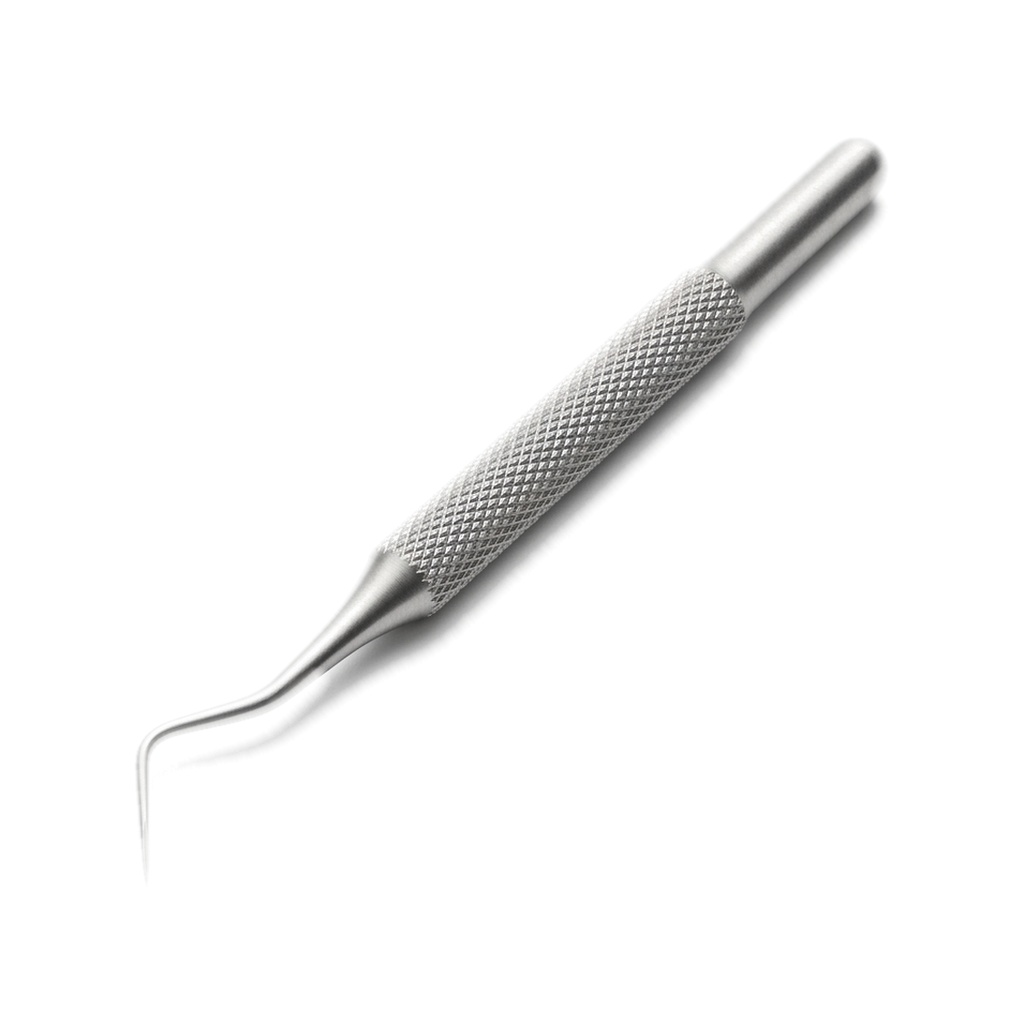
Dental Explorer, Single-Ended
SKU: DEX-001A single-ended contra-angled explorer for the first pass of any examination — screening for caries, rough surfaces, leaking margins and calculus. The knurled round handle gives a secure, rotating grip so the point can be walked around a tooth with light pressure. With only one working end, the instrument is short and direct in the hand at 155 mm. It is made from martensitic stainless steel and is steam autoclavable at 134°C.
DEX-001 | 155 mm | Martensitic stainless steel | Sterilisation: Steam autoclave 134°C
Range 2 — Hygiene, Diagnostic & Sterilisation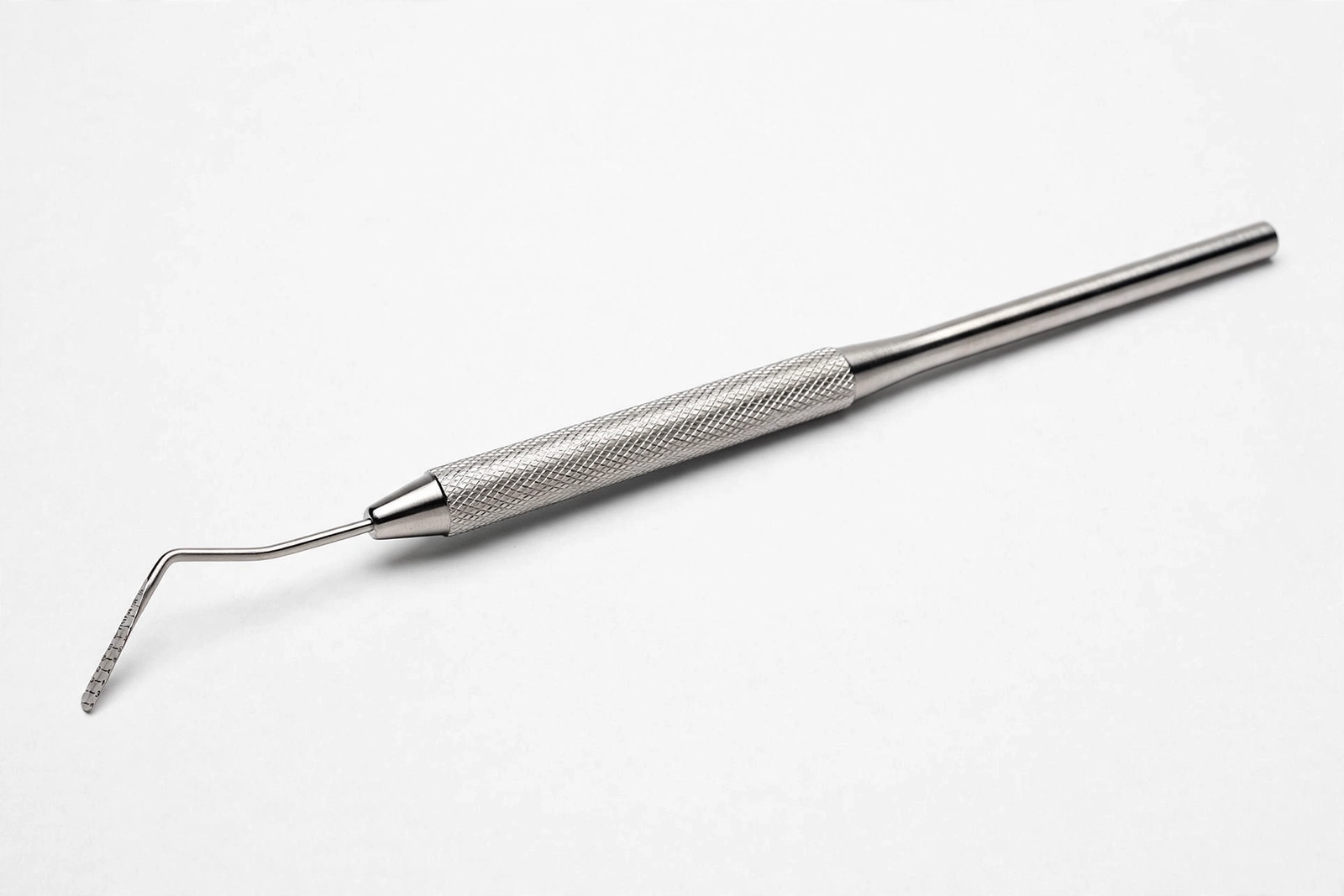
Michigan-O Probes
Medentra Global rangeA slim periodontal probe with Williams-type markings carried on the finer Michigan-O profile, widely chosen for routine periodontal charting because the thin tip enters shallow and tight pockets with less tissue distension. The markings are kept crisp and easy to read under surgery lighting so six-point charting stays fast and repeatable between visits.
420/440 stainless steel · satin passivated finish with clear depth markings · autoclavable to 134°C · MOQ 50 units/SKU.
Range 2 — Hygiene, Diagnostic & Sterilisation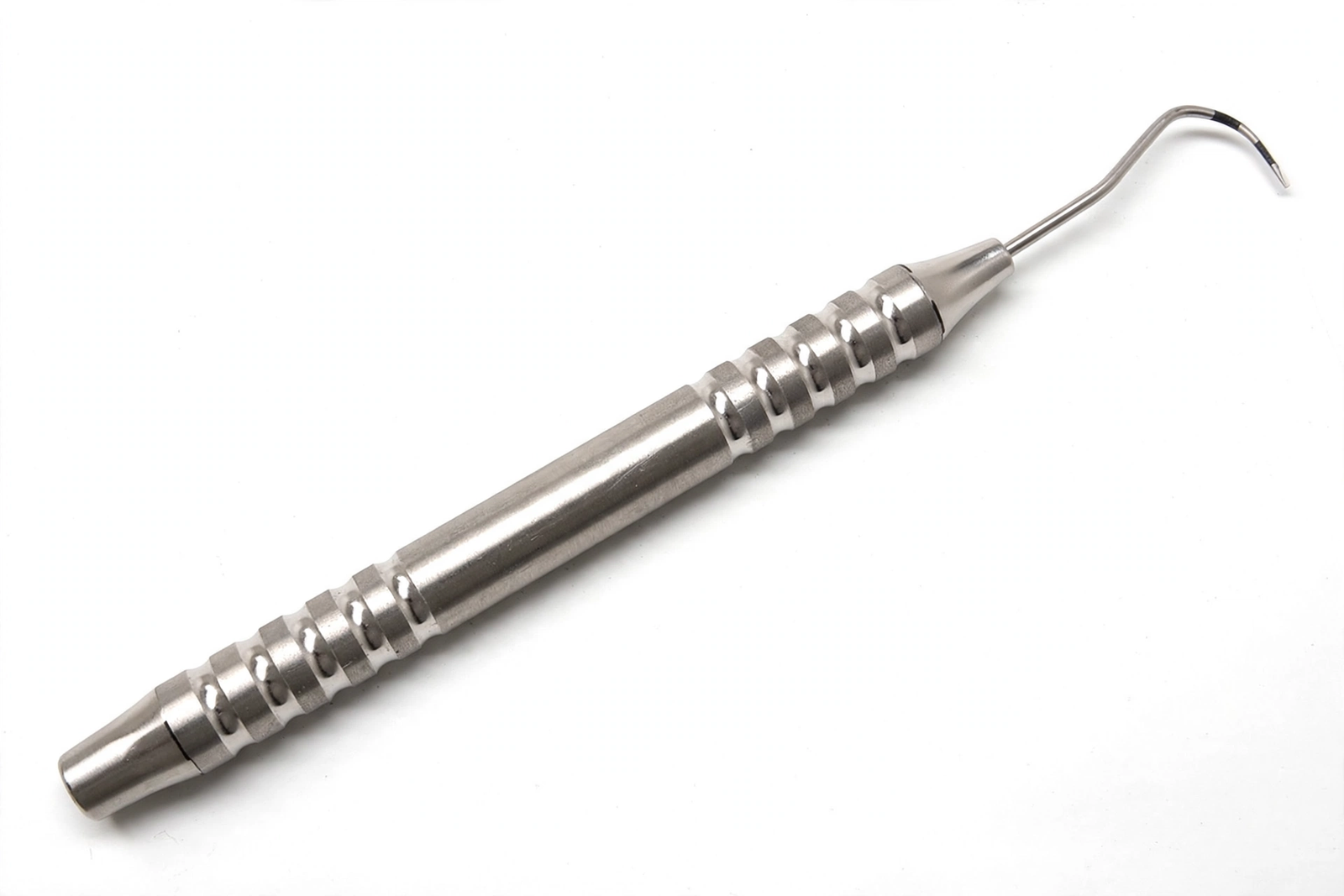
Furcation (Nabers) Probes
Medentra Global rangeA curved probe shaped to slide into molar furcations from the buccal, lingual and proximal entrances so the operator can grade furcation involvement by feel rather than guesswork. The smooth, rounded curve follows the root trunk anatomy without catching, and the handle gives the fingertip feedback that furcation grading depends on.
420/440 stainless steel · satin passivated finish · autoclavable to 134°C · MOQ 50 units/SKU.
Range 2 — Hygiene, Diagnostic & Sterilisation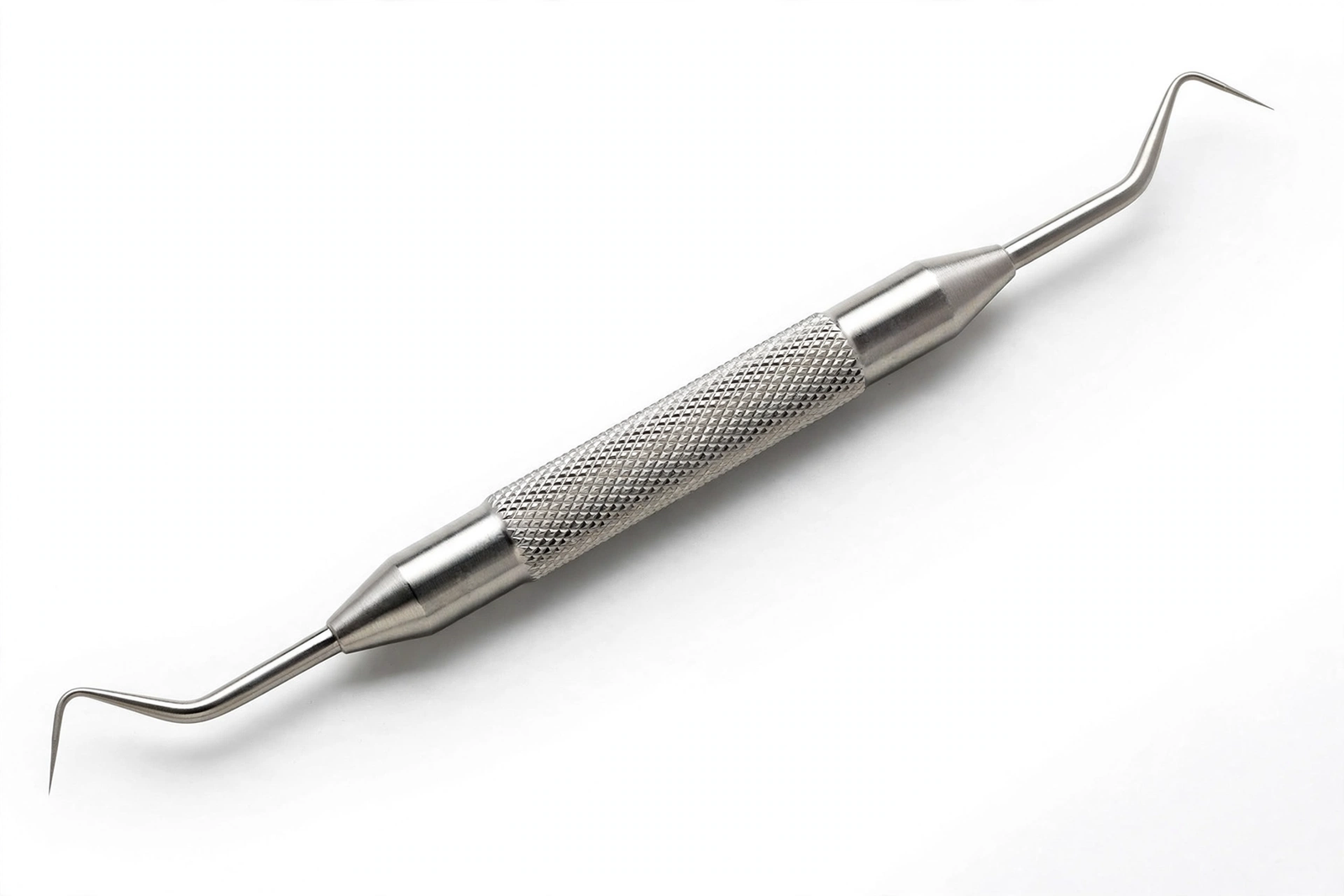
Briault Probes
Medentra Global rangeA double-ended diagnostic probe with fine angled tips at both ends, made for interproximal examination — checking contact areas, margins and early carious lesions that a single-ended explorer reaches poorly. The two ends are angled differently so both sides of the mouth can be examined without re-gripping the instrument.
420/440 stainless steel · satin passivated finish · autoclavable to 134°C · MOQ 50 units/SKU.
Range 2 — Hygiene, Diagnostic & Sterilisation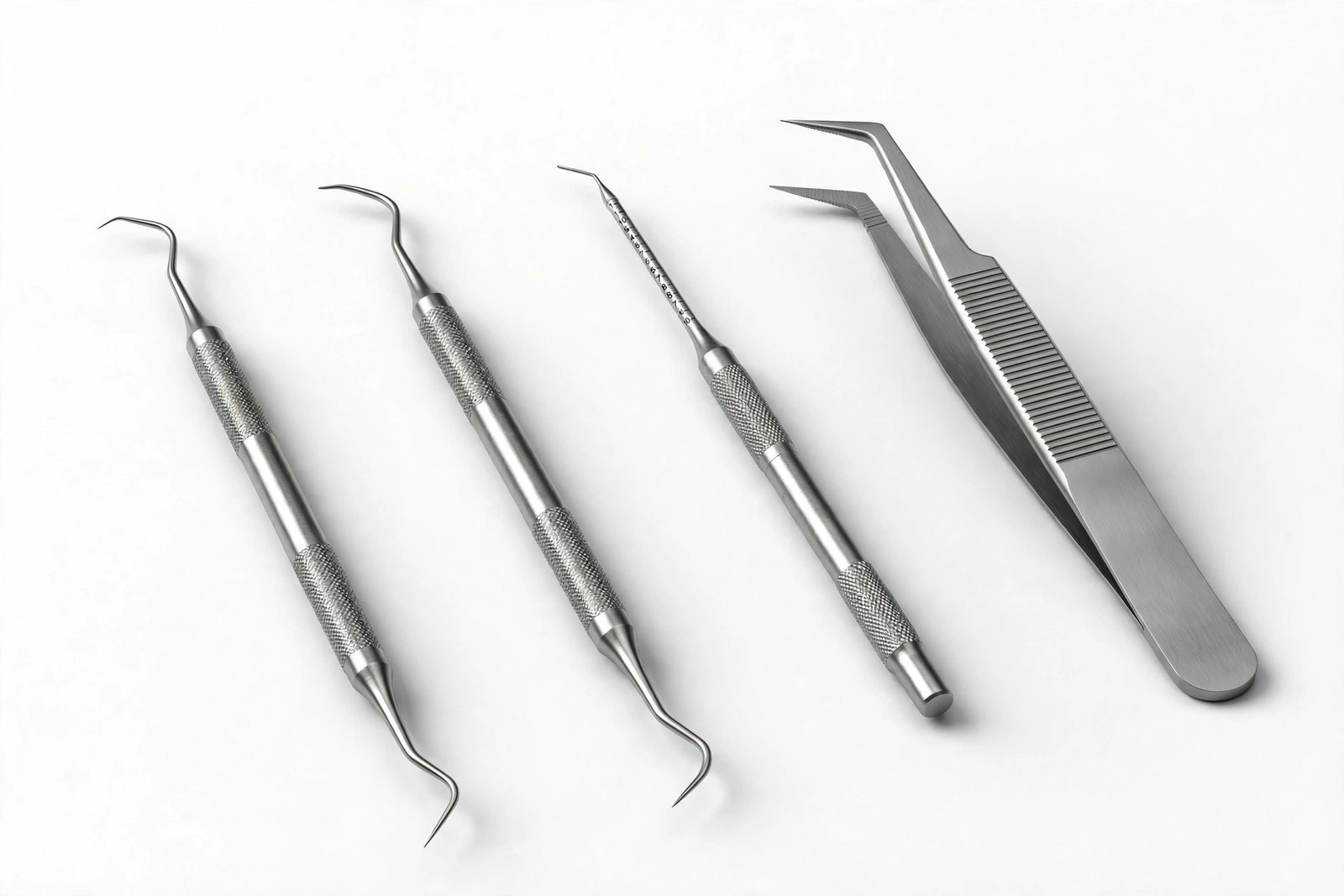
Explorer & Probe Sets
Medentra Global rangeAn examination set grouping explorers, a periodontal probe and the companion diagnostic pieces a dentist reaches for at every check-up, supplied as one matched reference. Building the set from standard patterns keeps replacement simple — any single piece can be reordered to the same specification when it wears.
420/440 stainless steel · satin passivated finish · autoclavable to 134°C · MOQ 50 units/SKU (per set configuration).
Range 2 — Hygiene, Diagnostic & SterilisationMirrors & Mouth Props
Examination mirrors and mouth-opening aids for surgery and general practice. MOQ: 50units / SKU.
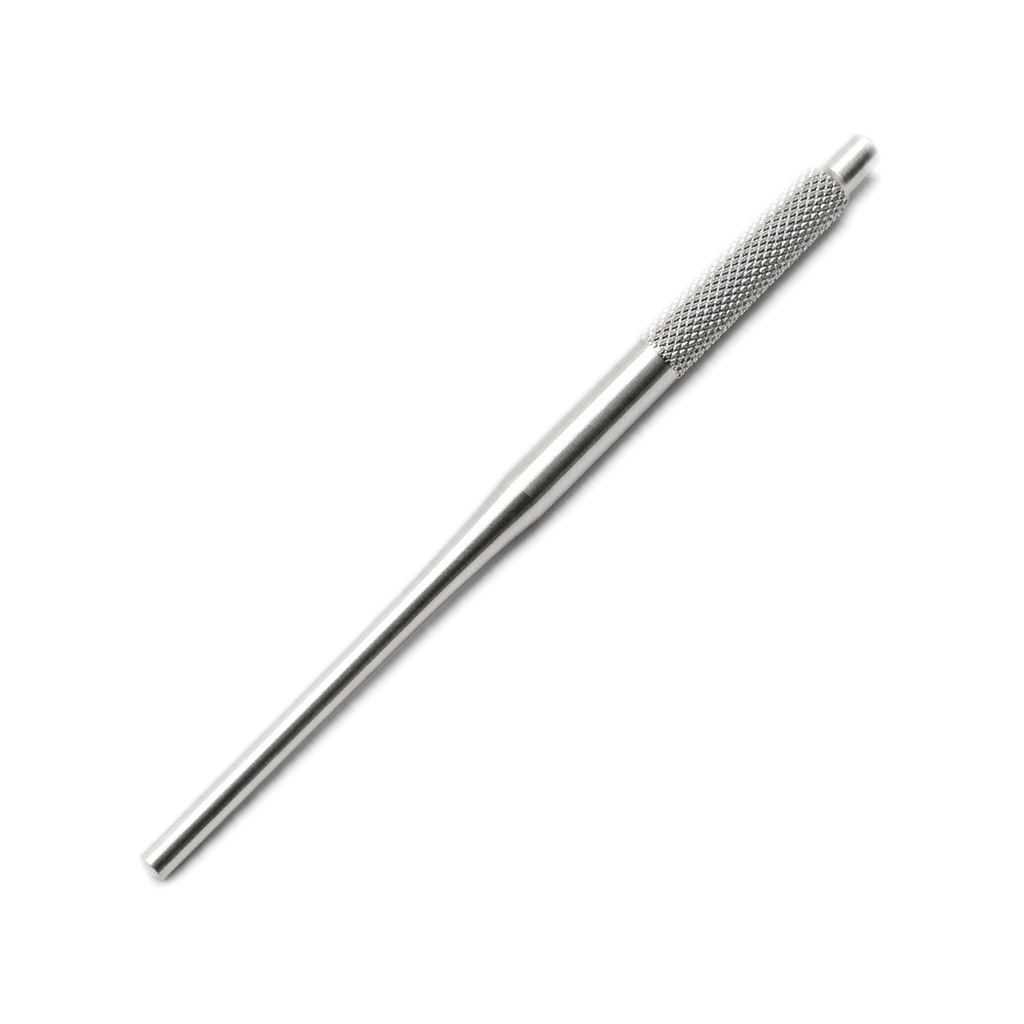
Mouth Mirror Handle, Cone-Socket, Knurled
SKU: DMH-105A solid stainless steel handle for cone-socket mirror heads, used for indirect vision, light reflection and gentle retraction of the cheek and tongue. The diamond-knurled grip stays secure in a gloved hand even when wet, and the solid construction gives the mirror a reassuring, balanced weight. At 135 mm it is the standard working length for examination setups. Made from AISI 304 stainless steel, it withstands repeated autoclaving at 134°C.
DMH-105 | 135 mm | AISI 304 stainless steel | Sterilisation: Steam autoclave 134°C
Variants: Variants & sub-products: Mirror Heads, Plain (No. 4 size) — Standard flat mirror heads that thread onto this handle for everyday examination, giving a true, undistorted image. · Mirror Heads, Magnifying (No. 5 size) — Concave magnifying heads for a closer view of small features such as canal openings and fine margins.
Range 2 — Hygiene, Diagnostic & Sterilisation
Mirror Heads (Plane & Magnifying)
Medentra Global rangeReplaceable screw-in mirror heads in the standard surgery sizes, offered with a true plane surface for undistorted vision and in a magnifying version for detail work such as margin inspection. The reflective coating is selected for a bright, clear image that survives repeated sterilisation cycles without the dulling and spotting that make cheap mirrors unusable within months. Heads are supplied to fit the standard cone-socket and simple-stem handles in this range.
Stainless steel head housing (420/440 range) with front-surface reflective coating · autoclavable to 134°C · MOQ 50 units/SKU.
Range 2 — Hygiene, Diagnostic & Sterilisation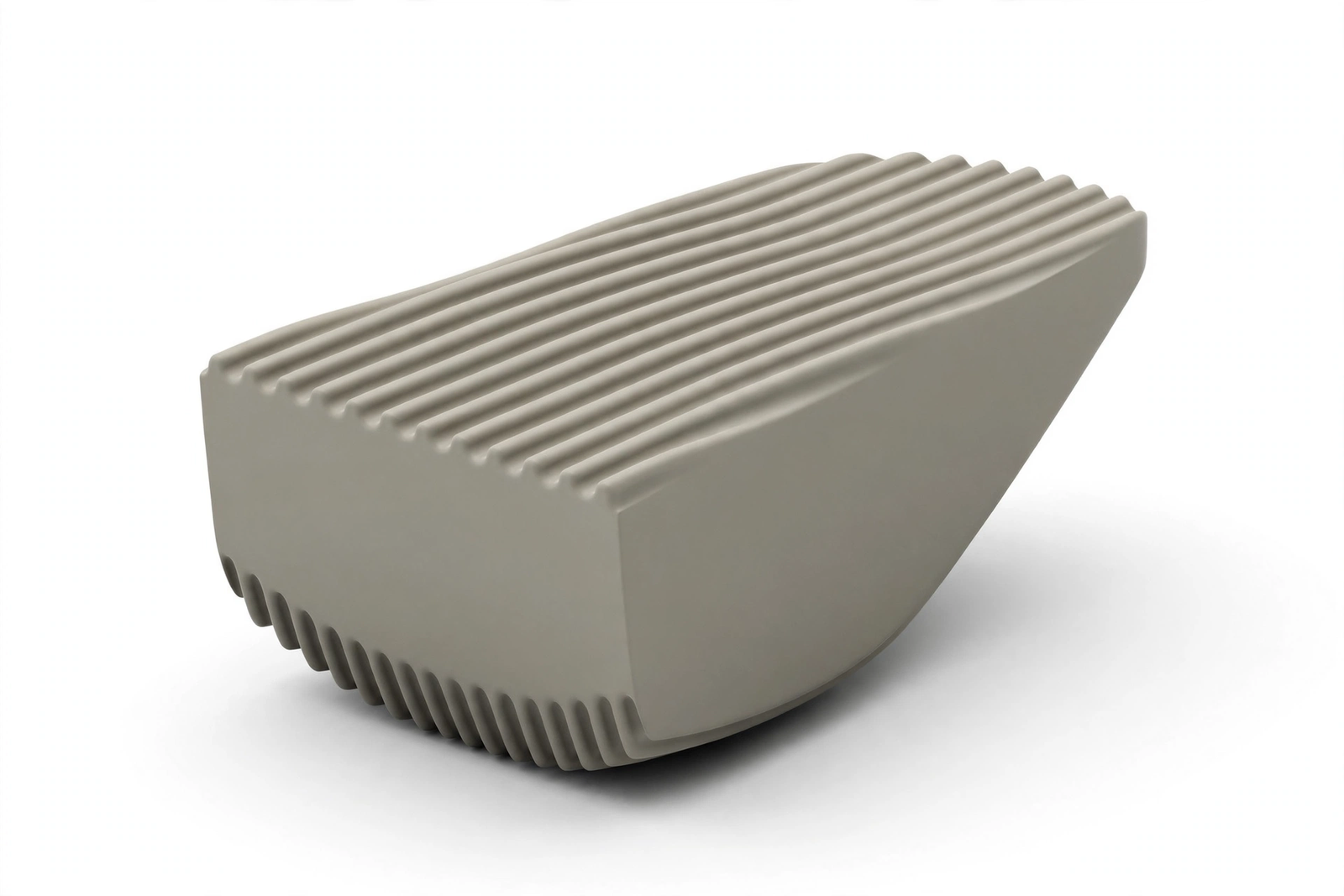
Mouth Props (Adult & Paediatric)
Medentra Global rangeBite-block props that hold the mouth comfortably open through longer appointments, taking the strain off the patient's jaw during surgery, impressions and lengthy restorative work. Adult and paediatric sizes share the same wedge geometry scaled to the mouth, with a ribbed biting surface that stays seated instead of slipping as the patient tires.
Medical-grade autoclavable block material on the standard prop pattern · autoclavable to 134°C · MOQ 50 units/SKU.
Range 2 — Hygiene, Diagnostic & Sterilisation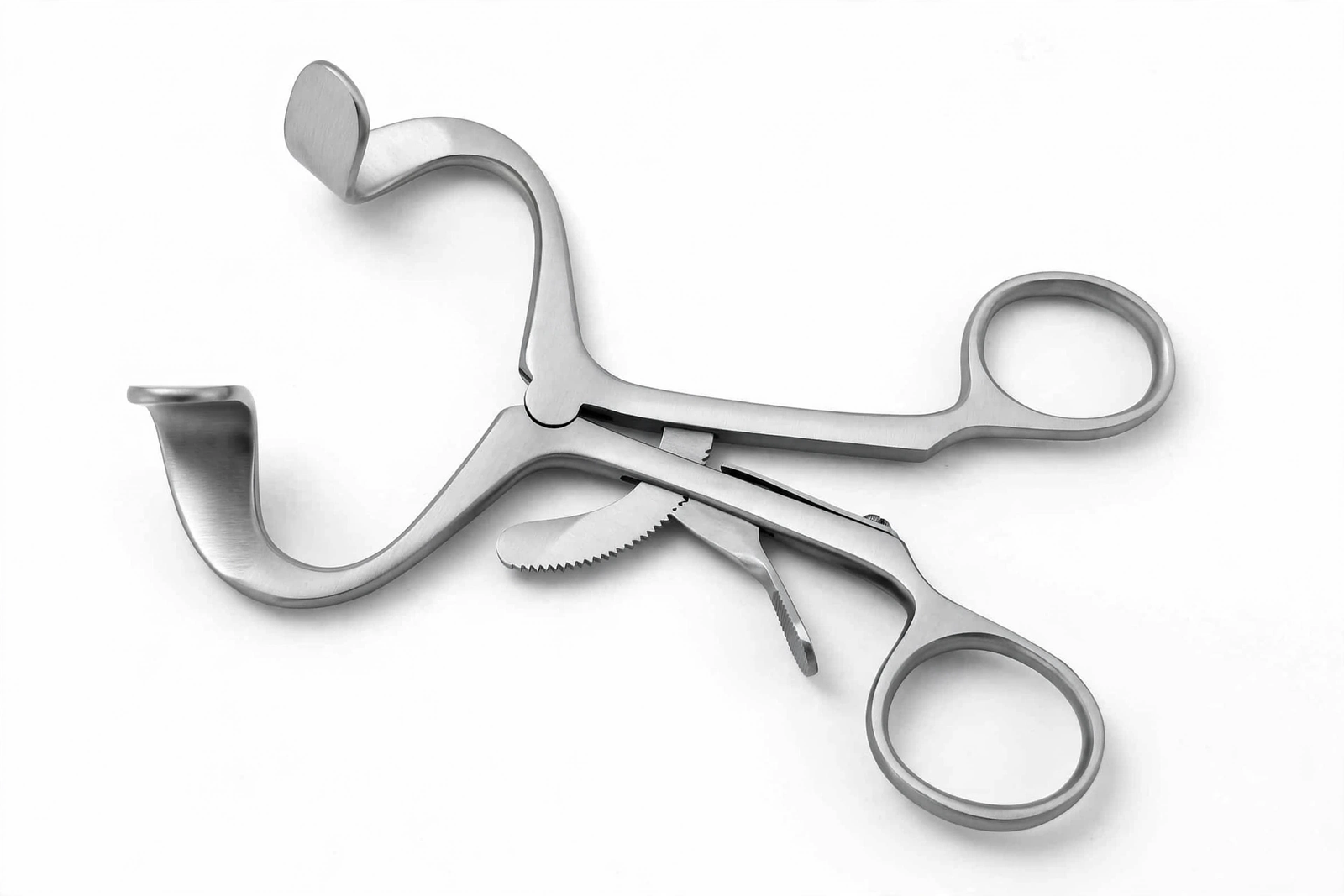
Molt Mouth Gags
Medentra Global rangeA ratchet-type mouth gag that opens the jaws in small, locked increments and holds them there hands-free, for surgery and for treatment under sedation or general anaesthesia. The ratchet gives positive control in both directions — opening is gradual and release is deliberate — and the bite plates are shaped to spread the load across the teeth rather than point-loading a single tooth.
420/440 stainless steel · satin passivated finish · autoclavable to 134°C · MOQ 50 units/SKU.
Range 2 — Hygiene, Diagnostic & Sterilisation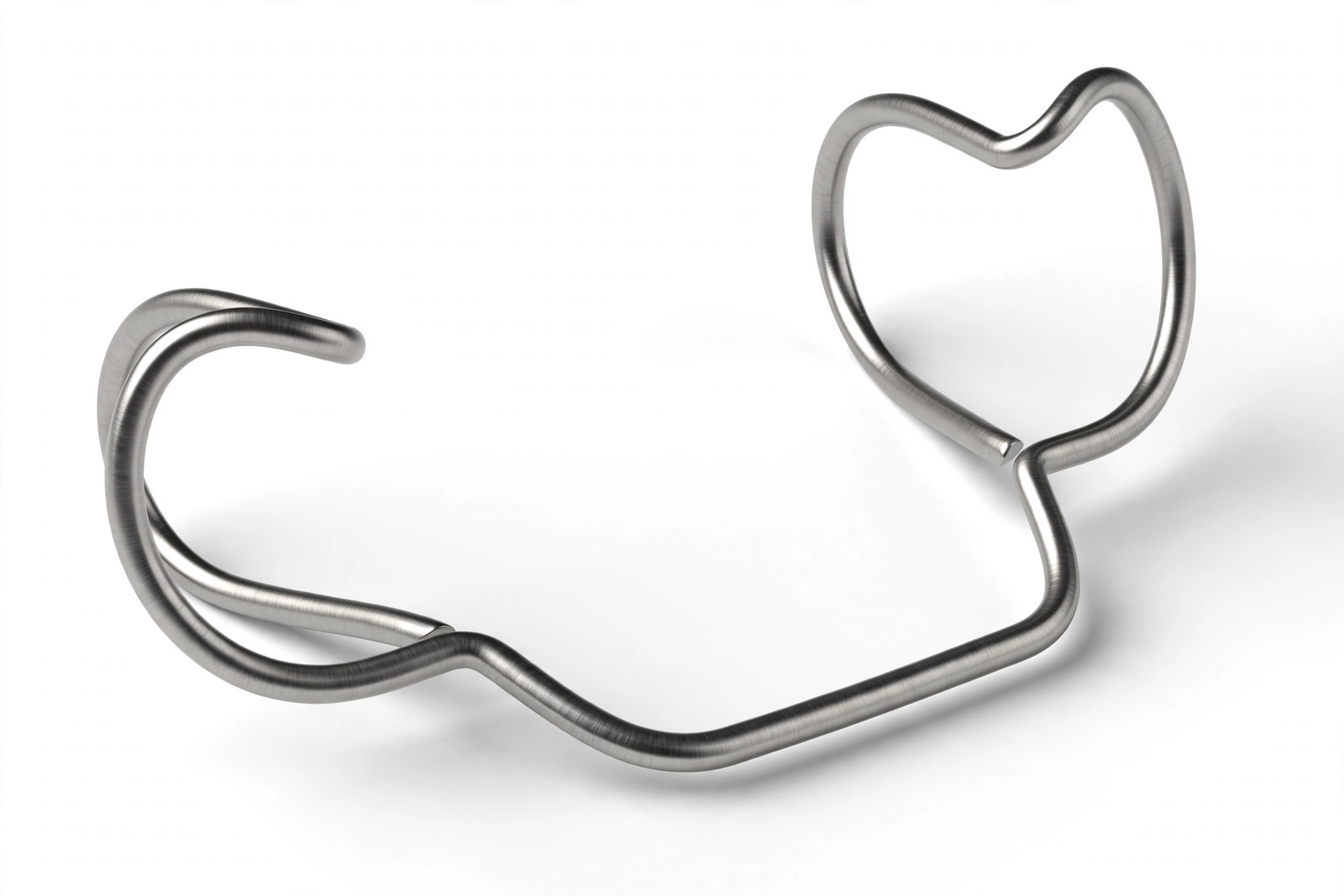
Cheek Retractors
Medentra Global rangeRetractors that hold the cheeks and lips clear of the working field for surgery, orthodontic bonding and clinical photography, where a dry, fully visible field decides the quality of the result. The edges are finished smooth and rounded so soft tissue can stay retracted for a full appointment without trauma, and the shape keeps the retractor seated without an assistant dedicated to holding it.
420/440 stainless steel (wire/frame patterns) · satin passivated finish · autoclavable to 134°C · MOQ 50 units/SKU.
Range 2 — Hygiene, Diagnostic & Sterilisation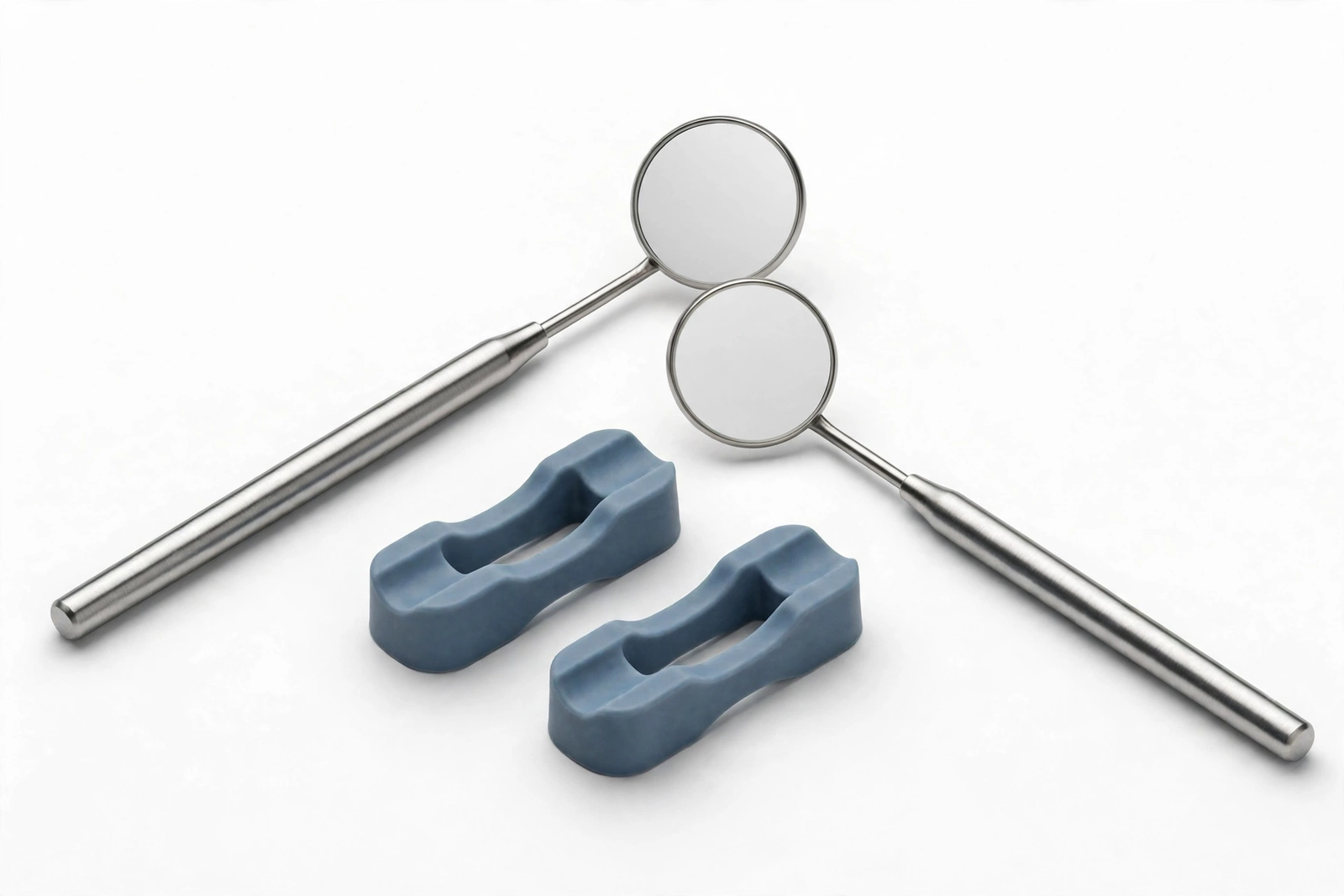
Mirror & Prop Sets
Medentra Global rangeA combined access-and-examination set — mirror handles and heads with mouth props — put together for surgery and sedation lists where the full access kit is set out at once. Components are the standard patterns from this range, matched as a set so a practice can order, sterilise and store them as one unit.
420/440 stainless steel instruments with autoclavable prop components · satin passivated finish · autoclavable to 134°C · MOQ 50 units/SKU (per set configuration).
Range 2 — Hygiene, Diagnostic & SterilisationImpression Trays
Full-arch, sectional and edentulous trays in stainless steel. MOQ: 50 units / SKU.
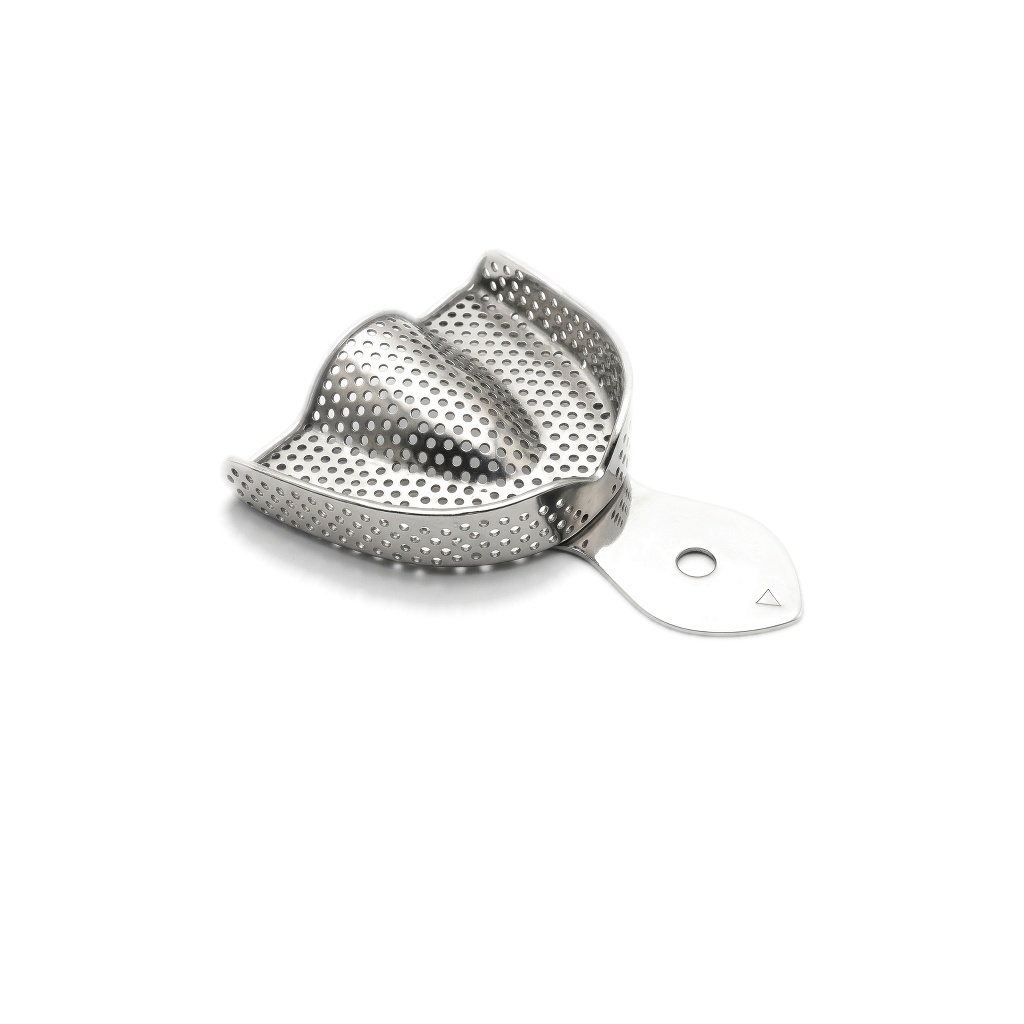
Impression Tray, Perforated, Upper Arch
SKU: DIT-301A full-arch upper impression tray in mirror-finish stainless steel, anatomically shaped to cover the maxillary arch evenly. Perforations across the tray lock the alginate mechanically, so the impression leaves the mouth — and later leaves the tray — without distortion. The rigid steel body does not flex like disposable plastic, which keeps study casts and denture work accurate. It covers the full maxillary arch and is steam autoclavable at 134°C for indefinite reuse.
DIT-301 | Full maxillary arch | AISI 304 mirror-finish steel | Sterilisation: Steam autoclave 134°C
Variants: Variants & sub-products: Perforated Tray, Lower Arch — The matching lower-arch shape with a tongue space, for mandibular impressions. · Partial Arch Tray — A quadrant/section tray for crown, bridge and partial impressions where a full arch is not needed. · Rim-Lock Tray, Non-Perforated — A tray with a raised rim that locks material at the edges instead of through holes, preferred for elastomeric impressions. · Sizes for the upper and lower patterns are supplied in small, medium and large to match arch size.
Range 2 — Hygiene, Diagnostic & Sterilisation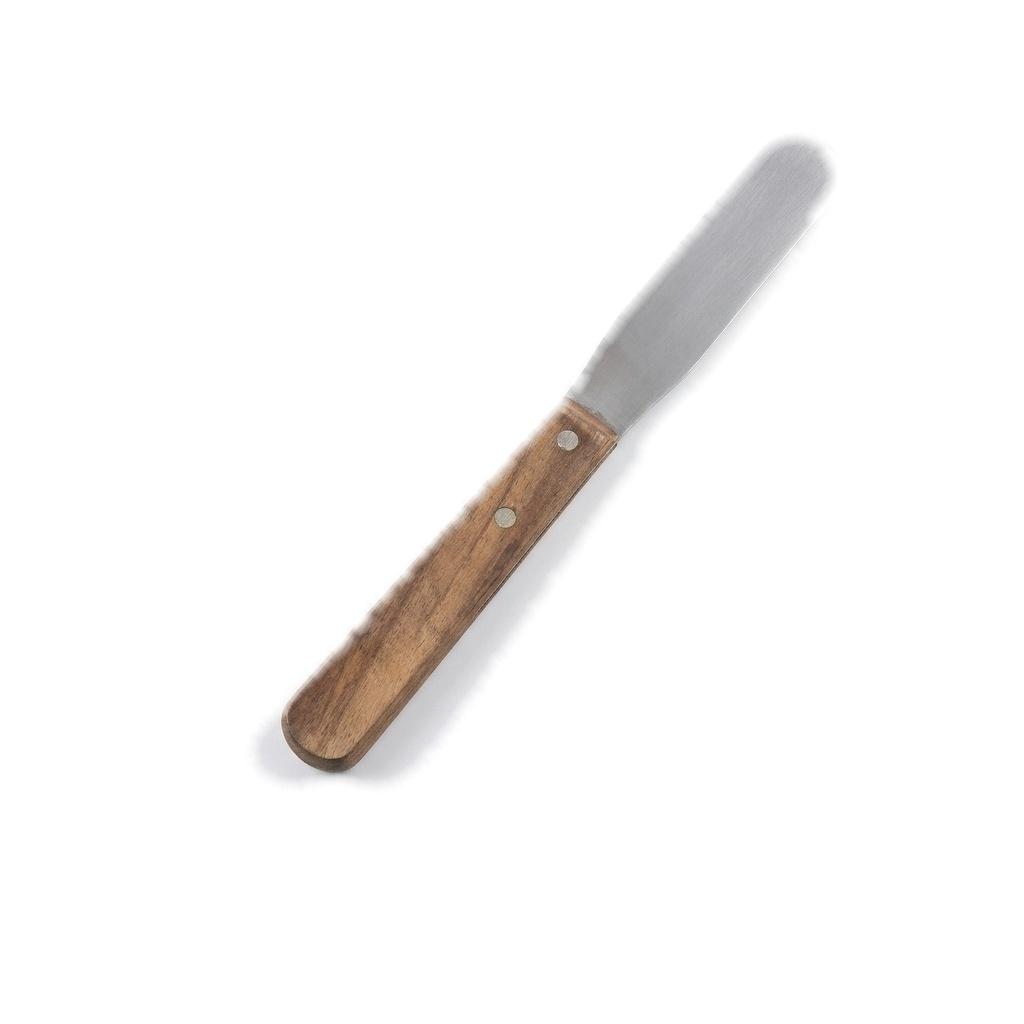
Alginate & Plaster Mixing Spatula, Curved Blade
SKU: DLS-101A flexible, curved-blade mixing spatula for blending alginate and stone to a smooth, bubble-free consistency against the side of a mixing bowl. The stainless blade is riveted firmly into a hardwood handle that stays comfortable through a long lab session. Its curve follows the bowl wall, which is what keeps air out of the mix and accuracy in the impression. The blade is 195 mm overall in AISI 420 steel with the hardwood handle; follow standard care for wooden-handled instruments when reprocessing.
DLS-101 | 195 mm | AISI 420 steel + hardwood handle | Sterilisation: Steam autoclave 134°C
Range 2 — Hygiene, Diagnostic & Sterilisation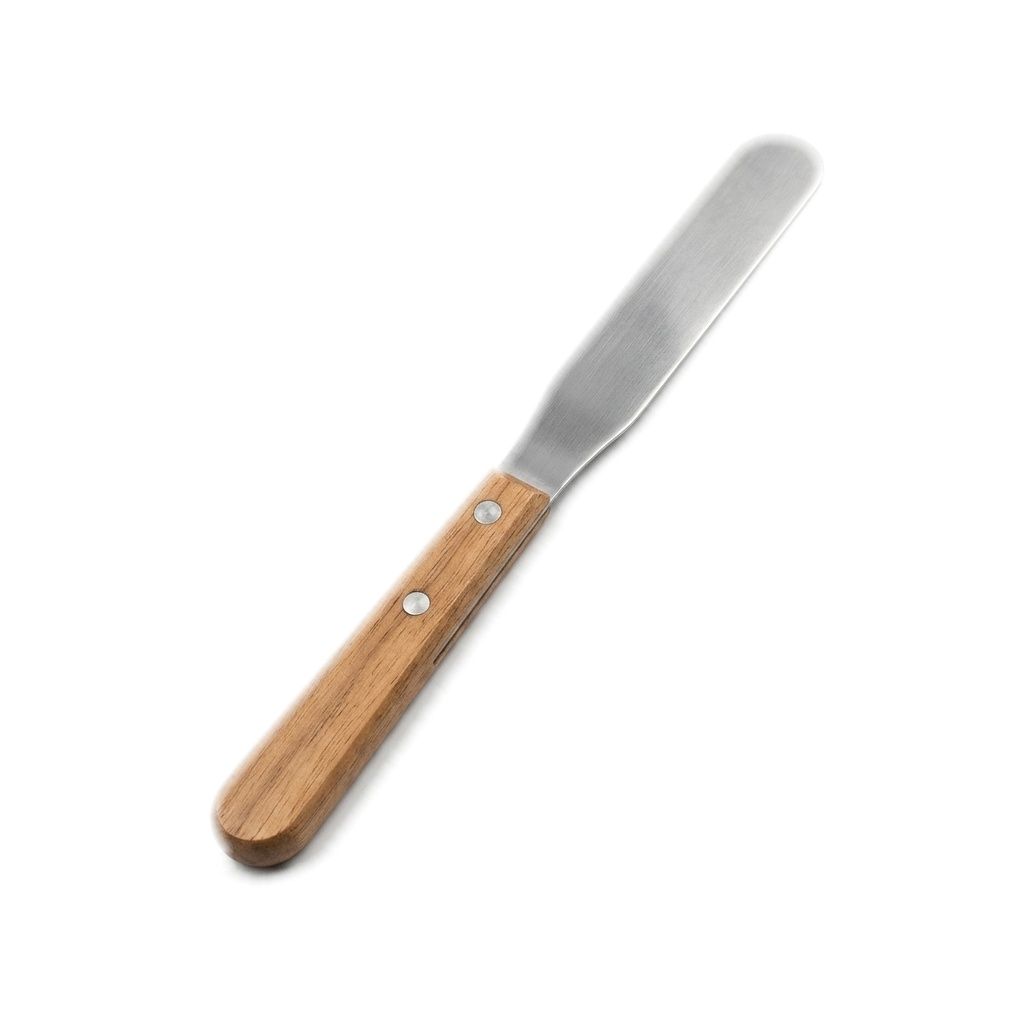
Dental Lab Plaster Spatula, Straight
SKU: DLS-102A straighter, semi-rigid spatula built for the heavier work of the dental laboratory — mixing dense stone and plaster, packing flasks and handling model materials. The blade runs full-tang into the wooden handle, so it does not flex or work loose when the mix gets stiff. At 205 mm it is the longest of the lab spatulas listed here, giving extra reach into deep bowls and flasks. It pairs martensitic steel with a wood handle and is a bench staple for prosthetic laboratories.
DLS-102 | 205 mm | Martensitic steel + wood handle | Sterilisation: Steam autoclave 134°C
Range 2 — Hygiene, Diagnostic & Sterilisation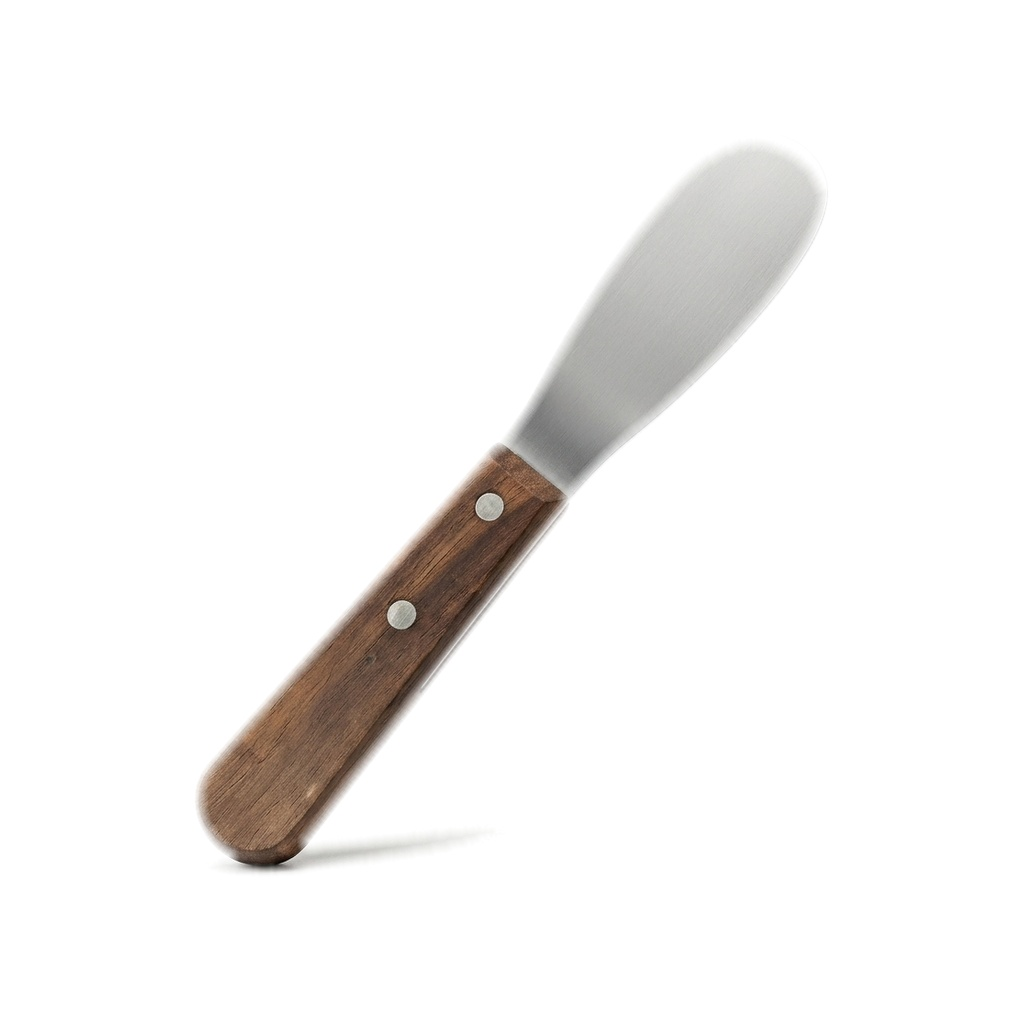
Alginate & Plaster Spatula, Broad Leaf Blade
SKU: DLS-103A broad, leaf-shaped spatula for high-volume mixing, where a wide flexible blade moves a full bowl of alginate or gypsum quickly and evenly. The rounded blade is riveted into a hardwood handle, balancing flexibility at the working end with a firm grip. At 200 mm it suits laboratories and busy surgeries that mix larger quantities. The blade is AISI 420 steel; as with all wooden-handled lab tools, correct reprocessing keeps the handle sound.
DLS-103 | 200 mm | AISI 420 steel + wood handle | Sterilisation: Steam autoclave 134°C
Range 2 — Hygiene, Diagnostic & Sterilisation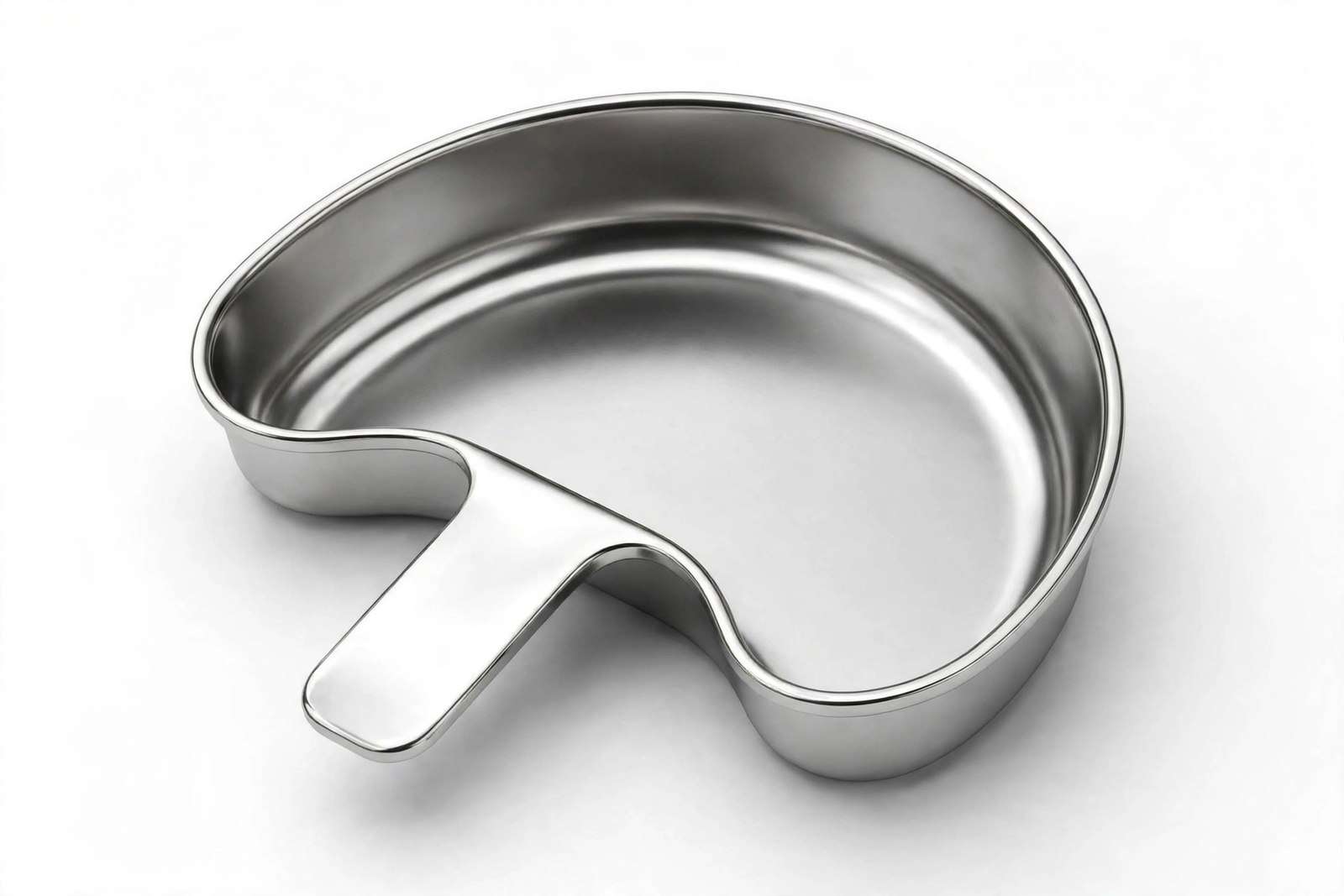
Solid Trays
Medentra Global rangeUnperforated full-arch trays for impression techniques that rely on tray adhesive rather than mechanical retention through holes. The smooth, rigid floor keeps materials such as silicone and compound evenly supported so the impression does not distort on removal, and the rim is rolled for patient comfort and clean material cut-off.
420/440 stainless steel · mirror-polished finish typical for trays · autoclavable to 134°C · MOQ 50 units/SKU.
Range 2 — Hygiene, Diagnostic & Sterilisation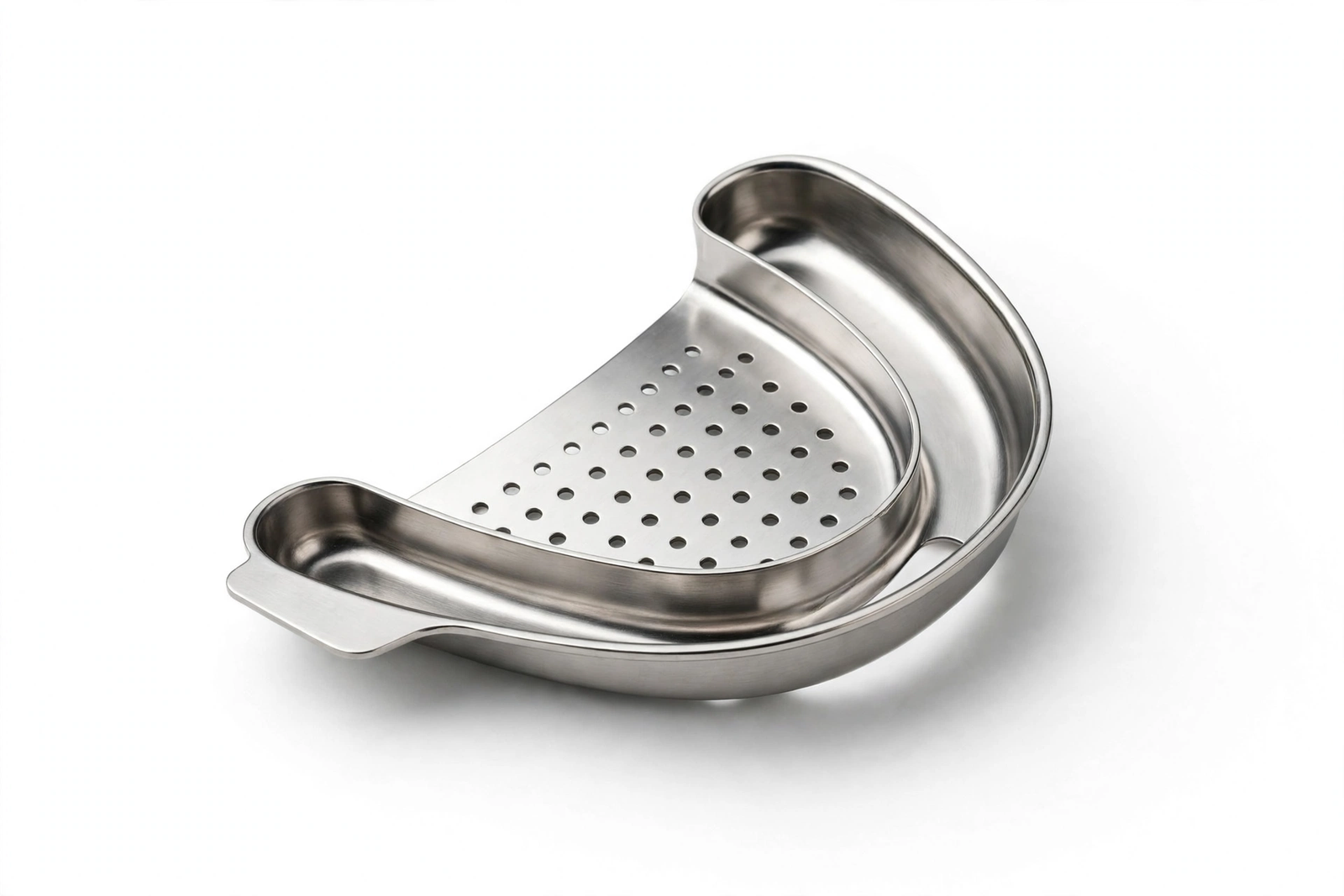
Sectional / Partial Trays
Medentra Global rangeQuadrant and anterior sectional trays for impressions of part of an arch — a single prepared tooth, a small bridge span or an opposing-arch record — where a full tray wastes material and accuracy. The smaller tray body seats without triggering the gag reflex as easily and keeps the impression material exactly where the detail is needed.
420/440 stainless steel · mirror-polished finish typical for trays · autoclavable to 134°C · MOQ 50 units/SKU.
Range 2 — Hygiene, Diagnostic & Sterilisation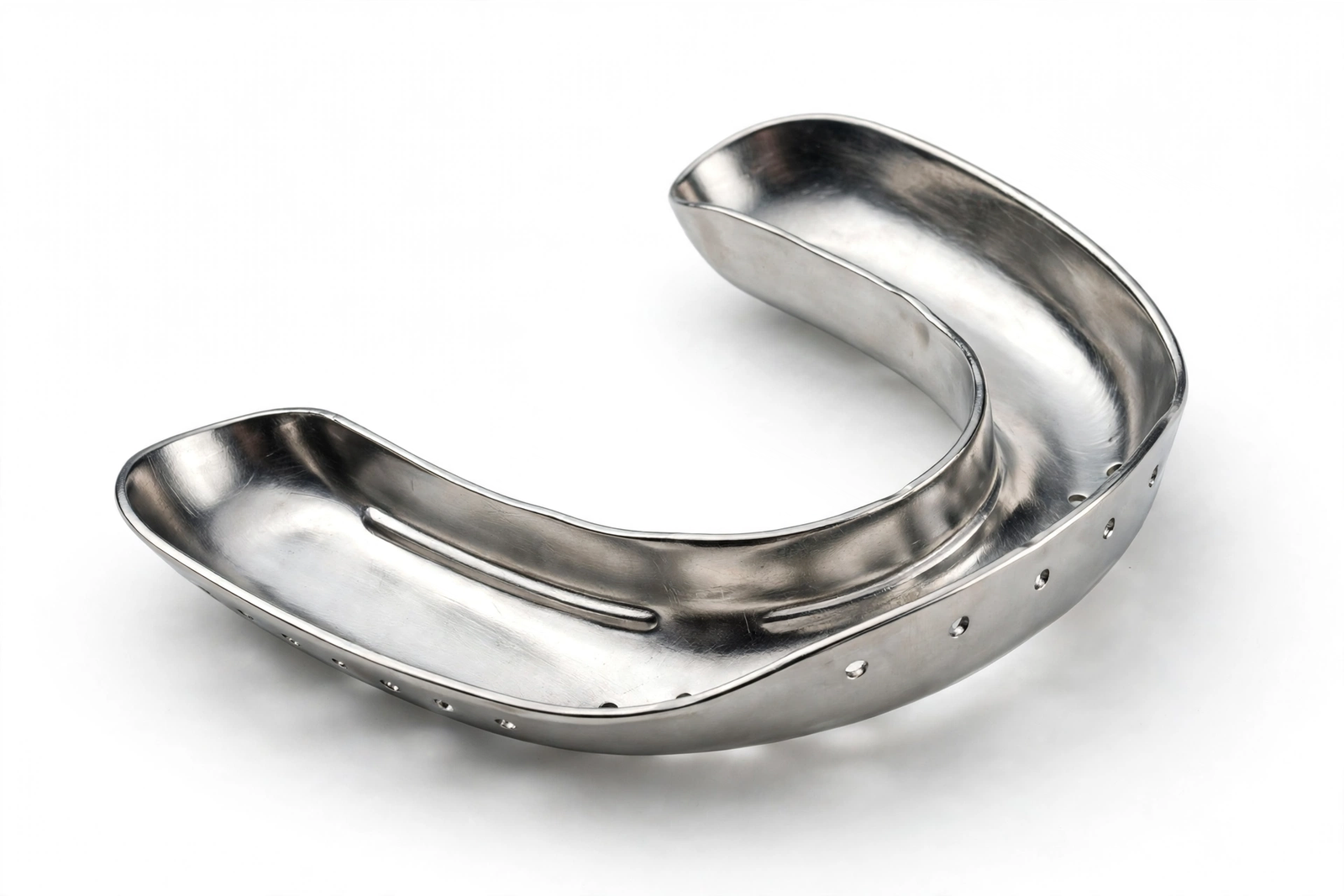
Edentulous Trays
Medentra Global rangeTrays profiled for toothless ridges, with the shallower, re-contoured floor and rim that a complete-denture impression needs to record the full bearing area without over-extension. Correct edentulous geometry is what lets the final denture get its border seal, so these trays are shaped to the ridge form rather than simply flattened from a dentate pattern.
420/440 stainless steel · mirror-polished finish typical for trays · autoclavable to 134°C · MOQ 50 units/SKU.
Range 2 — Hygiene, Diagnostic & Sterilisation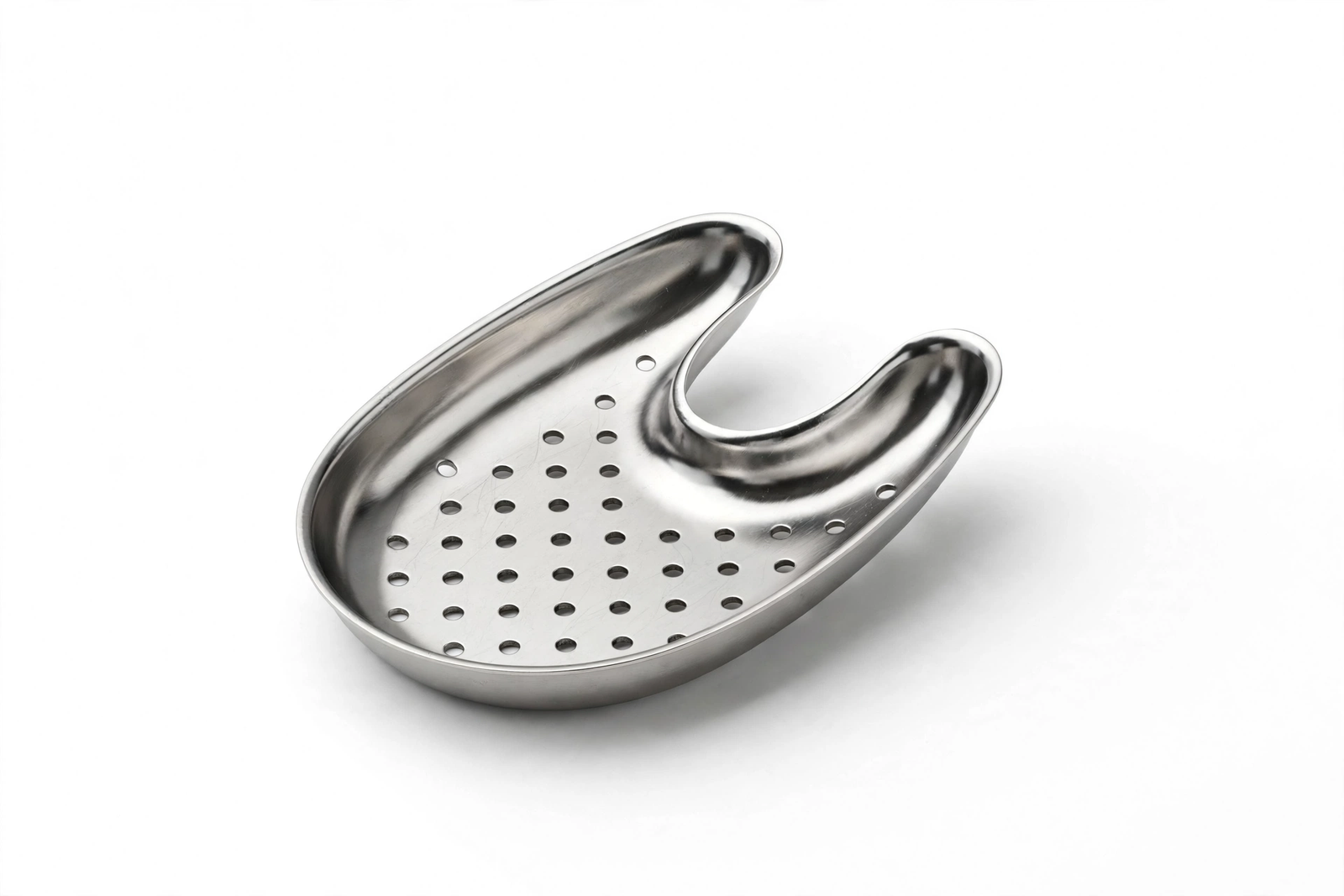
Paediatric Trays
Medentra Global rangeSmall-size upper and lower trays made for children's mouths, keeping the same retention and rim design as the adult range in proportions a young patient can actually tolerate. Shorter tray length and a shallower palate help impressions succeed on the first attempt, which matters most with anxious young patients.
420/440 stainless steel · mirror-polished finish typical for trays · autoclavable to 134°C · MOQ 50 units/SKU.
Range 2 — Hygiene, Diagnostic & Sterilisation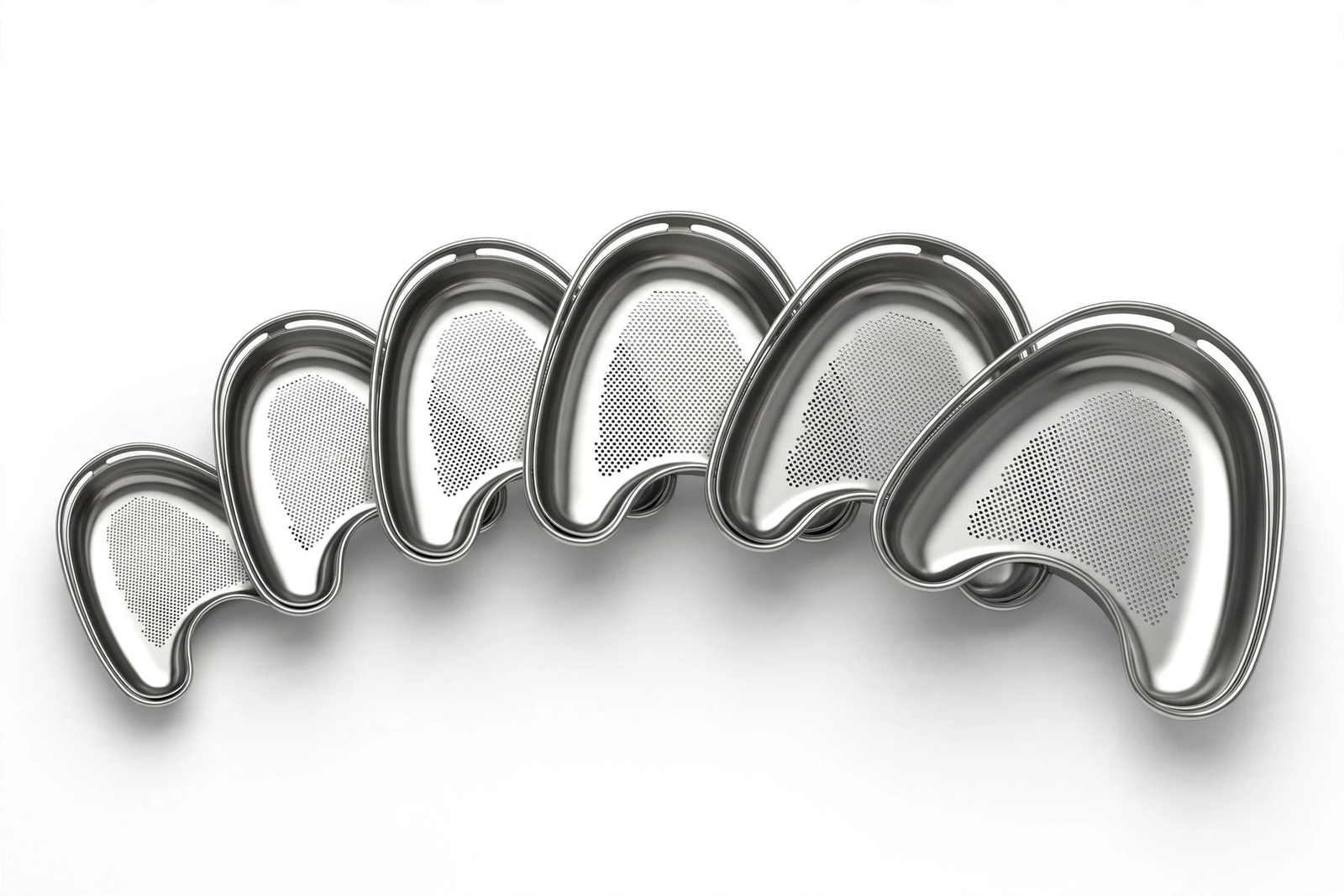
Tray Sets by Size
Medentra Global rangeNumbered full sets running from small to extra-large in upper and lower patterns, so a practice can pick the correct tray size at a glance and keep a complete ladder in stock. Each set is supplied with consistent numbering across both arches, which simplifies reordering of the individual sizes that wear or go missing.
420/440 stainless steel · mirror-polished finish typical for trays · autoclavable to 134°C · MOQ 50 units/SKU (per set configuration).
Range 2 — Hygiene, Diagnostic & SterilisationSterilisation Cassettes
Perforated stainless cassettes and trays that organise full instrument sets. MOQ: 20 units / SKU.
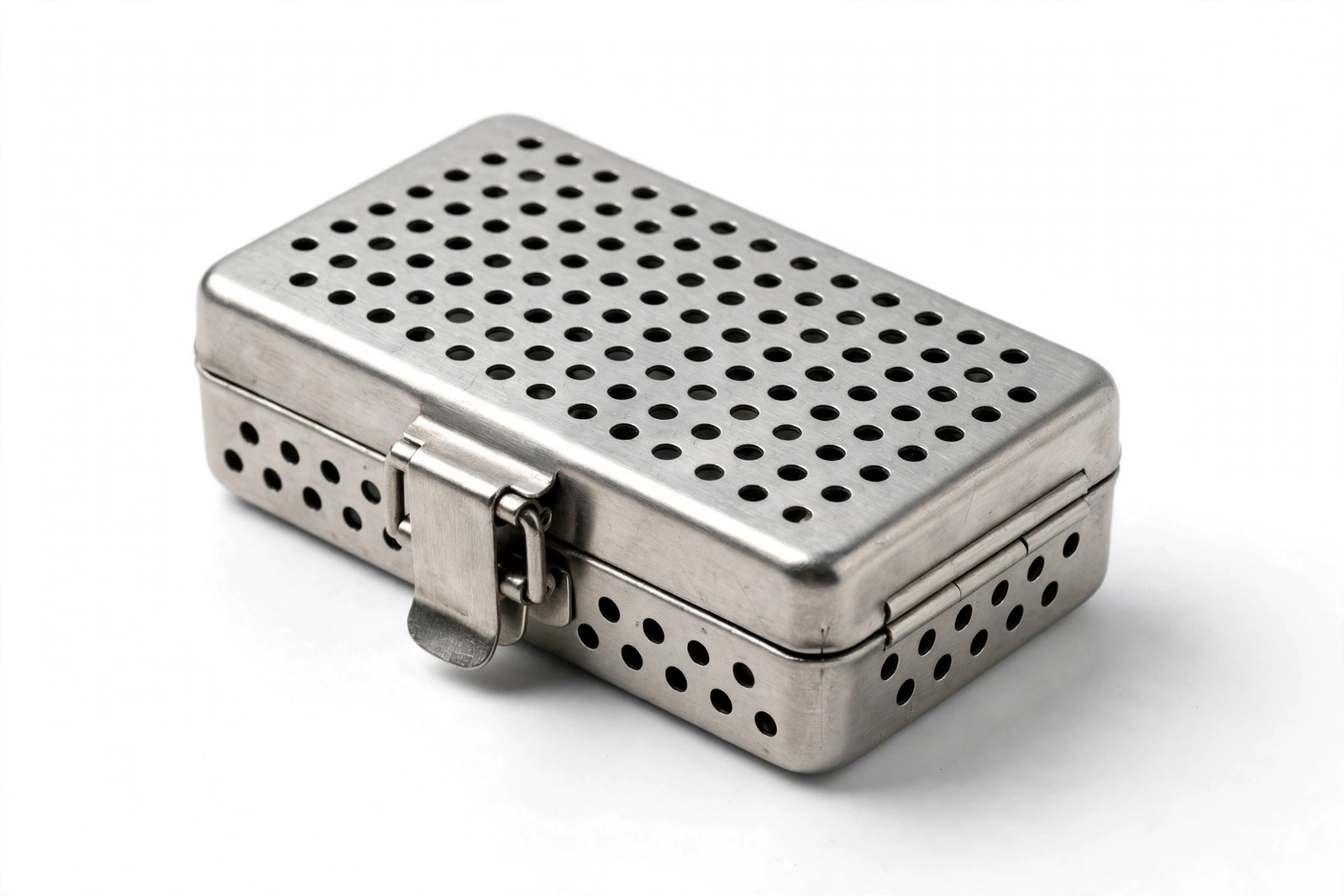
Exam-Set Cassettes
Medentra Global rangeA compact perforated cassette sized around a single examination set — mirror, probe, explorer and tweezers — so the whole set is washed, sterilised, stored and handed to the chair as one closed unit. Keeping the set cassettes together cuts chairside setup time and ends the loose-instrument handling that damages fine tips. The lid closes with a positive latch that stays shut through the autoclave cycle and handling.
420/440 stainless steel, perforated body with silicone instrument rails · satin passivated finish · autoclavable to 134°C · MOQ 20 units/SKU.
Range 2 — Hygiene, Diagnostic & Sterilisation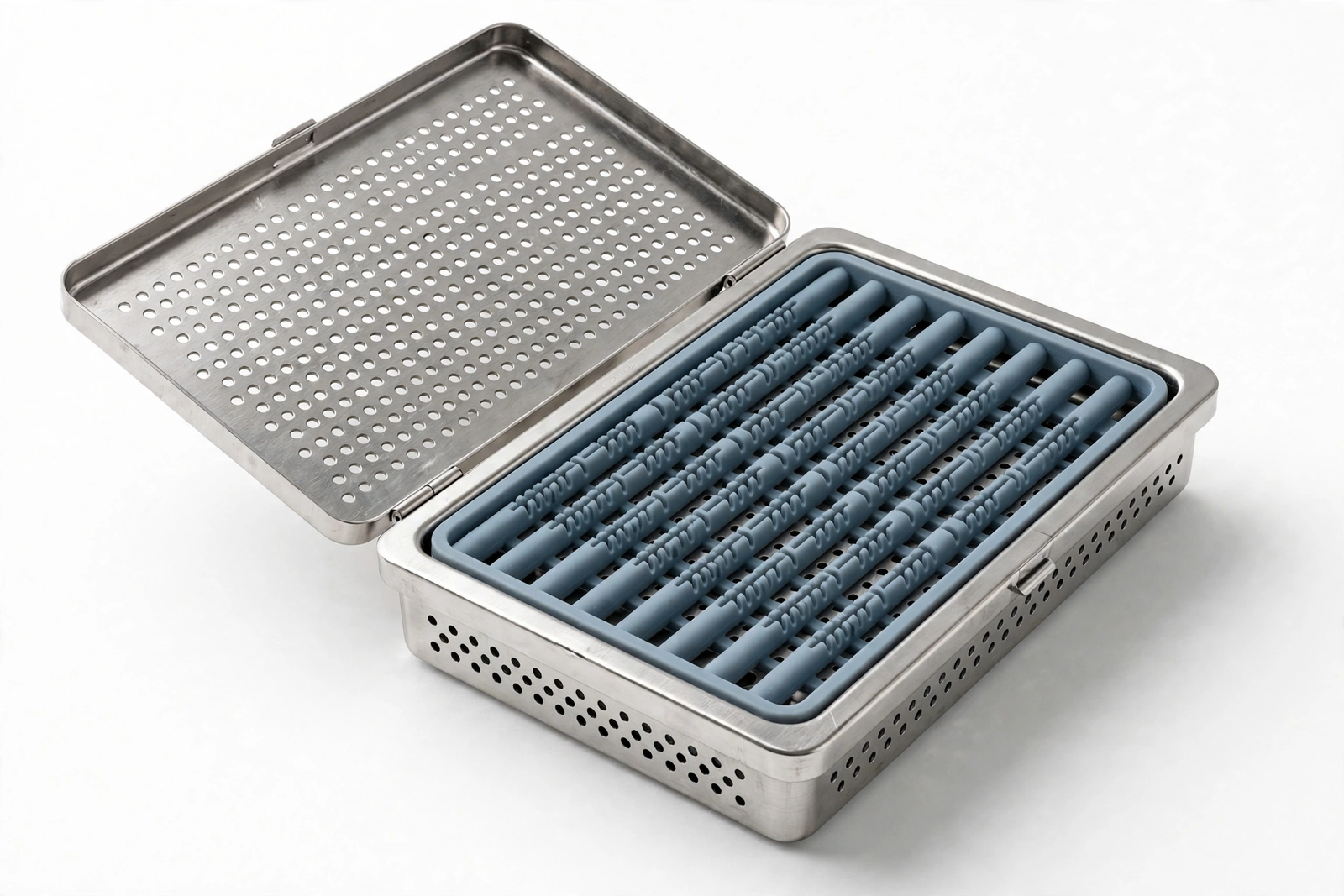
Hygiene Cassettes
Medentra Global rangeA cassette laid out for a scaler and curette sequence, with rails spaced so the sharp working ends sit protected and separated instead of knocking against each other in processing. Sized for the longer hygiene instruments, it lets a hygienist keep a full appointment's set together from ultrasonic bath to chairside.
420/440 stainless steel, perforated body with silicone instrument rails · satin passivated finish · autoclavable to 134°C · MOQ 20 units/SKU.
Range 2 — Hygiene, Diagnostic & Sterilisation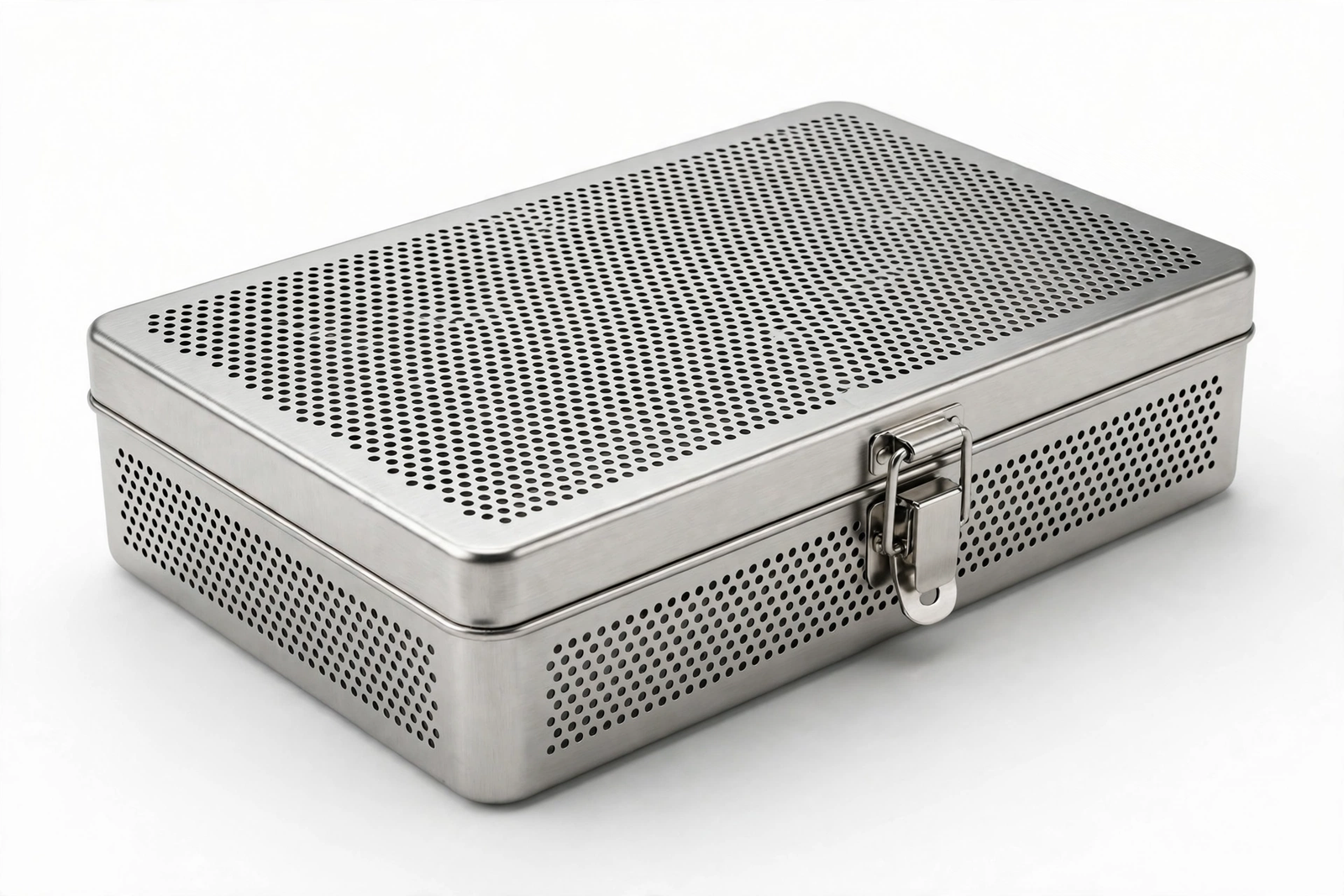
Surgical-Set Cassettes
Medentra Global rangeThe larger cassette format for surgical kits — extraction, implant and suturing sets — with room for forceps, elevators and holders laid out in working order. A surgical set processed and stored as a single cassette is faster to check before a list and far less likely to reach the chair with a piece missing. Optional silicone inserts keep heavier instruments from shifting during transport and sterilisation.
420/440 stainless steel, perforated body with silicone rails/inserts · satin passivated finish · autoclavable to 134°C · MOQ 20 units/SKU.
Range 2 — Hygiene, Diagnostic & Sterilisation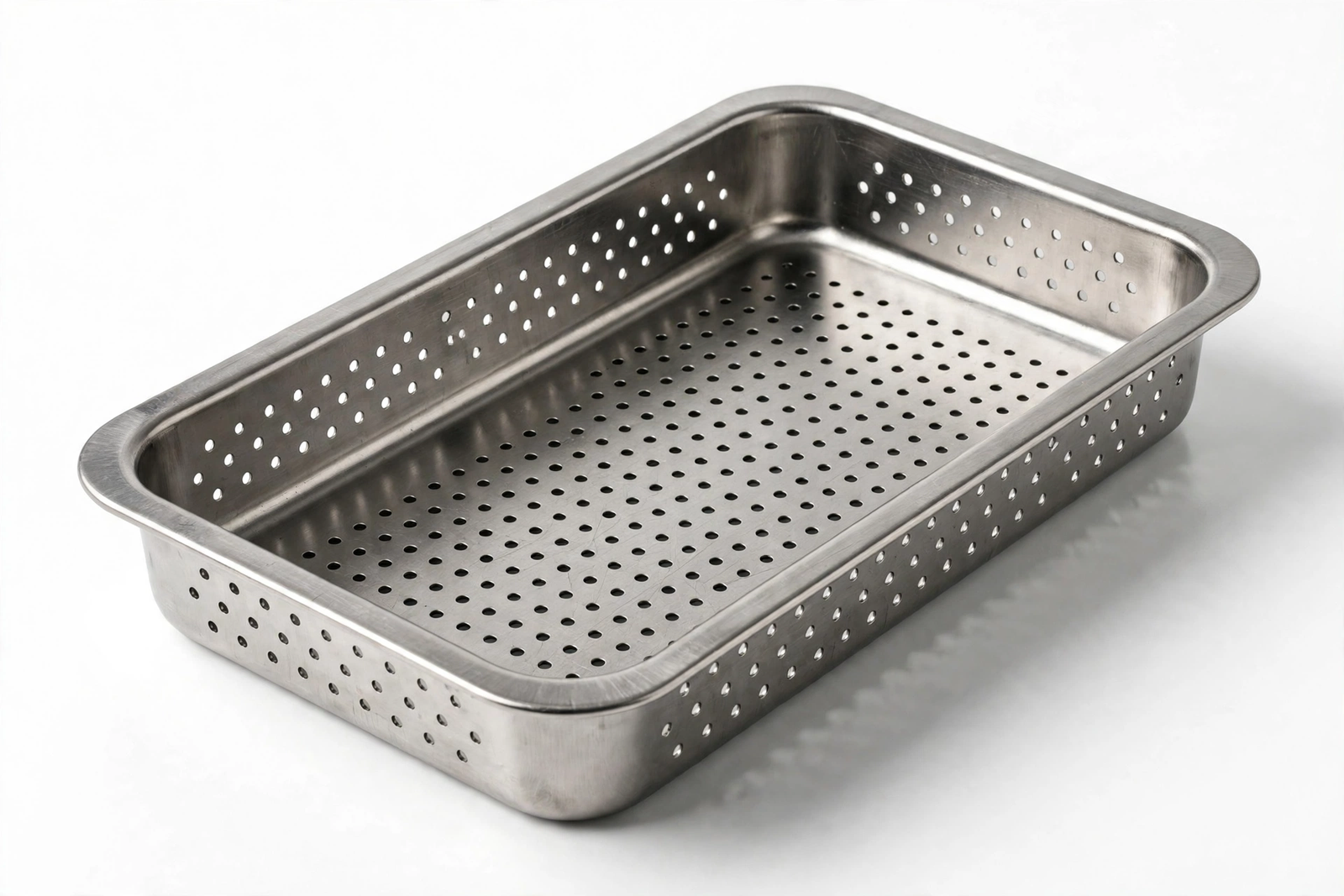
Perforated Trays (Sterilisation)
Medentra Global rangeOpen perforated trays for instruments that are processed loose rather than in a closed cassette — overflow sets, single instruments and mixed loads. The perforation pattern gives free steam and water movement through the load while the raised rim keeps instruments contained during handling and stacking in the autoclave.
420/440 stainless steel, perforated · satin passivated finish · autoclavable to 134°C · MOQ 20 units/SKU.
Range 2 — Hygiene, Diagnostic & Sterilisation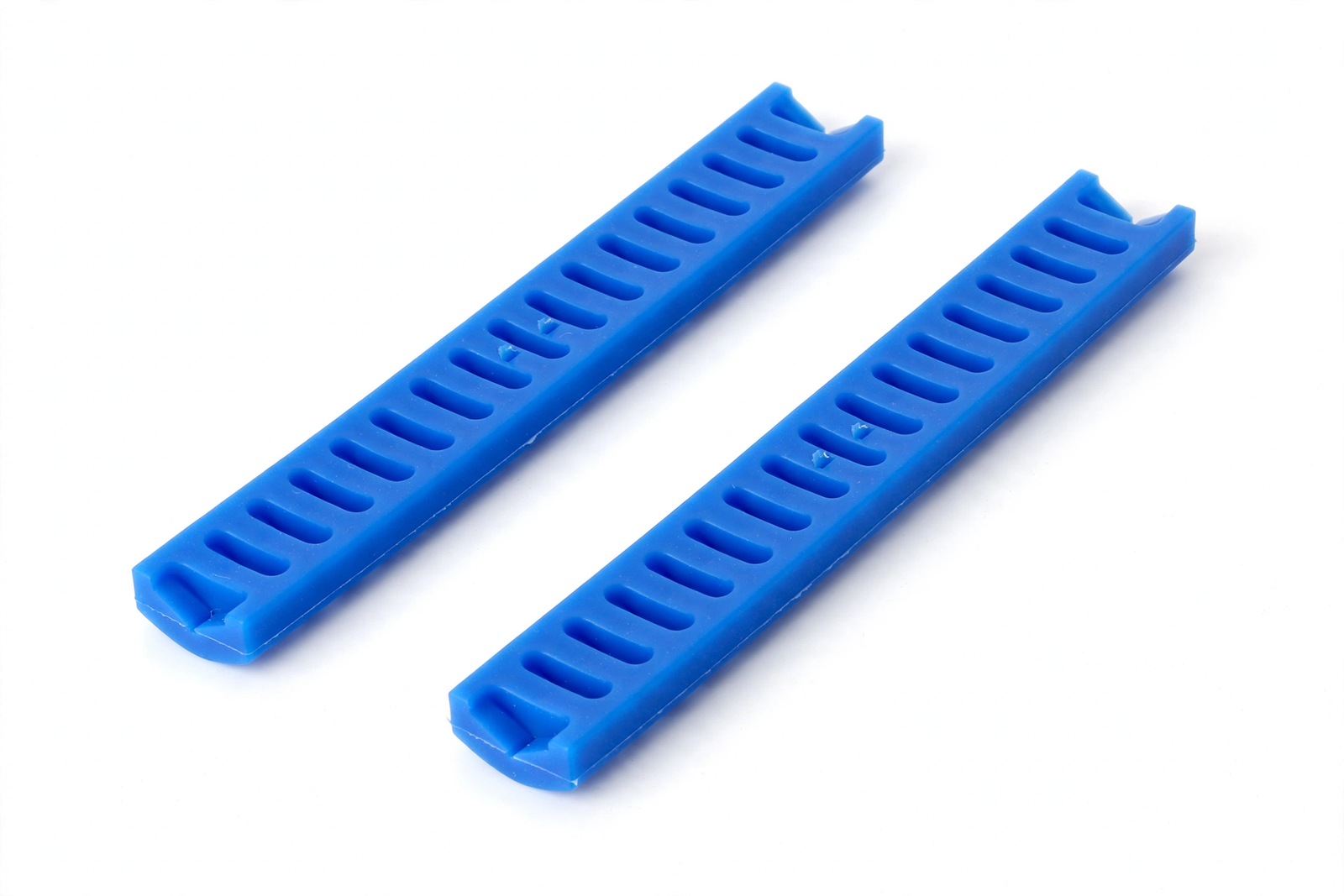
Cassette Rails & Inserts
Medentra Global rangeReplacement silicone rails and insert strips that let a practice reconfigure a standard cassette for a different instrument layout, or renew rails that have hardened and loosened after years of autoclaving. Supplying the wear parts separately extends the working life of the cassette body itself, which is the expensive component.
Autoclave-grade silicone rails/inserts for 420/440 stainless steel cassettes · autoclavable to 134°C · MOQ 20 units/SKU.
Range 2 — Hygiene, Diagnostic & Sterilisation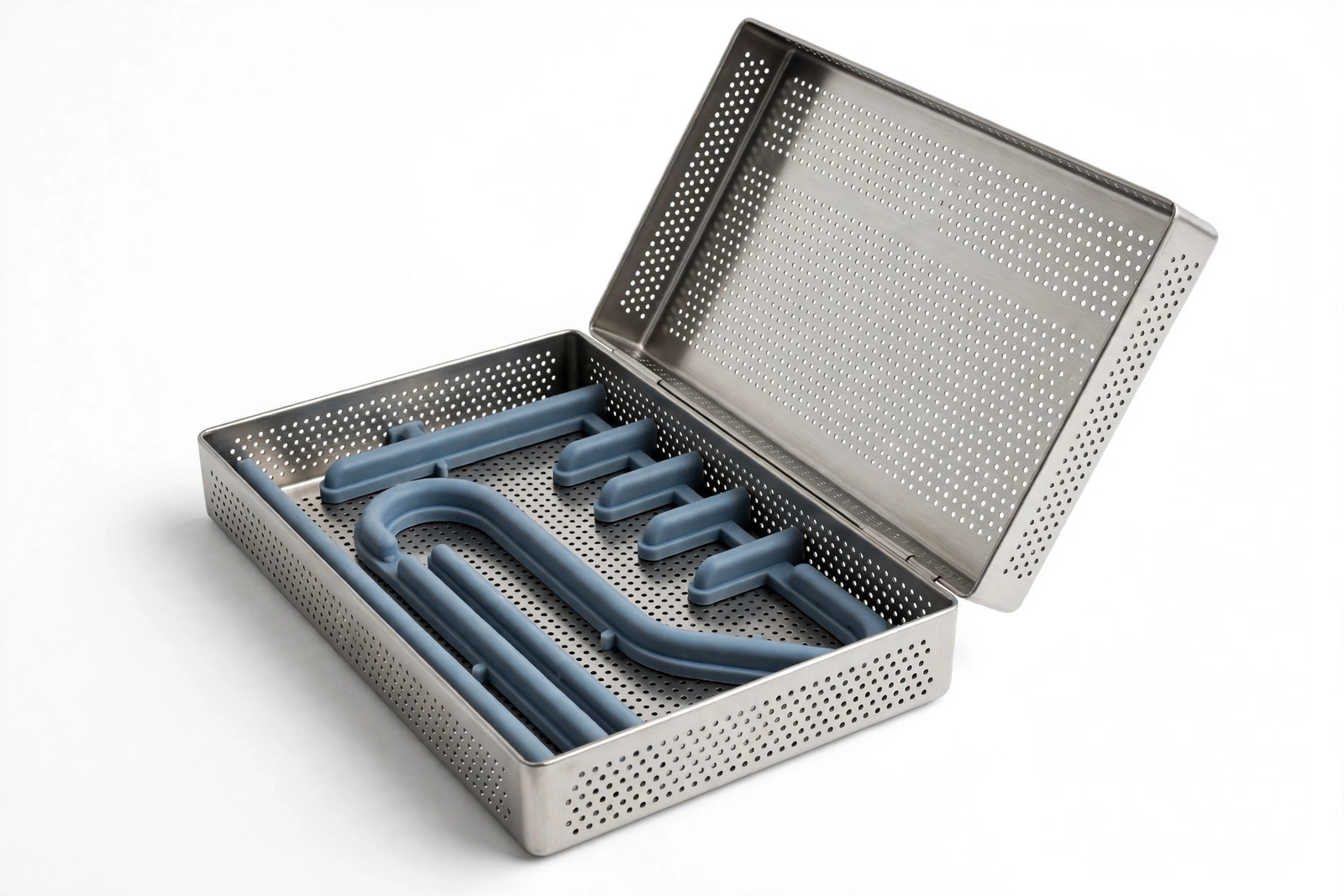
Custom-Size Cassettes
Medentra Global rangeCassettes made to a buyer's own dimensions and internal layout — for a branded kit, an unusual instrument combination or a private-label set that has to present as one product. The buyer approves the layout and a sample cassette first, so the production run matches the exact set it will carry. Offered on request as part of Medentra Global's OEM/private-label programme.
420/440 stainless steel, perforated body with silicone rails to the buyer's layout · satin passivated finish · autoclavable to 134°C · MOQ 20 units/SKU.
Range 2 — Hygiene, Diagnostic & Sterilisation